
The Living Savannah
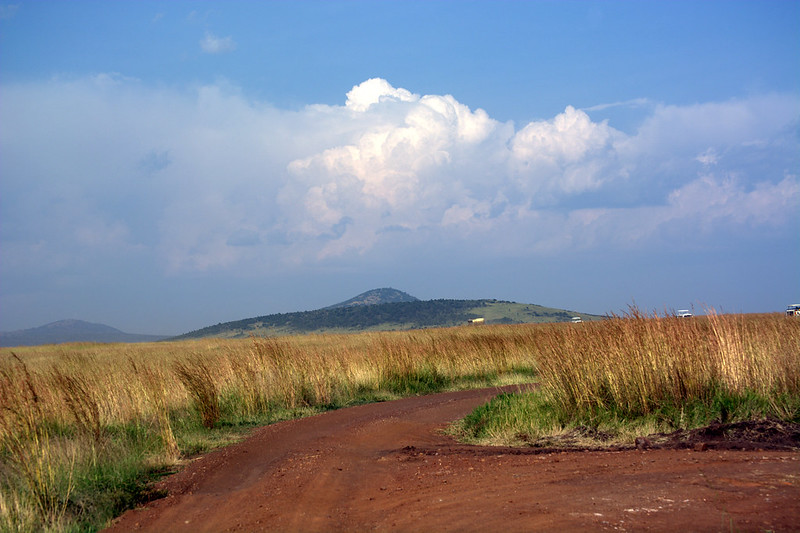
The Maasai Mara savannah, a vital part of the Maasai Mara ecosystem, is a semi-arid landscape characterized by golden grasslands and Acacia trees that create its signature “spotted” look. This diverse landscape, filled with red oat grass, maintains a delicate harmony within its ecosystem. The semi-arid climate delivers rains twice each year, sculpting the terrain and stirring the fauna. For centuries, grazing mammals have been co-creators of the savannah, transforming what was once forest into the sunswept plains we see today.
Wildebeests, along with zebras and other grazers, play a critical role in this equilibrium. Their feeding habits prevent grass overgrowth, allowing new shoots to sprout, which in turn supports various animal species. The annual wildebeest migration from the Serengeti, involving over 1 million blue wildebeests, is crucial to this cycle, ensuring that grazers and grass remain in constant interaction. The Maasai Mara also serves as an essential dry season refuge, providing dependable water and forage that sustains countless creatures.
Key Species and Their Roles
- Lions and Leopards: Apex predators that regulate herbivore populations, preventing overgrazing.
- Cheetahs: Diurnal hunters that focus on smaller prey, contributing to the ecosystem’s predator-prey dynamic.
- African Bush Elephants: These giants shape the savannah by uprooting trees, which creates open spaces for grass to thrive.
- Blue Wildebeests and Zebras: Primary grazers that stimulate grass growth and ensure nutrient cycling.
- Acacia Trees: Provide shade and food for giraffes and other animals while enriching the soil through nitrogen fixation.
For all its toughness, the savannah, including the diverse ecosystems of the Maasai Mara region, is in jeopardy. Human encroachment is fragmenting habitat, and overgrazing by livestock is pressuring vegetation. Unsustainable tourism disrupts wild animals and destroys the fragile ecosystem.
The Great Migration
The Great Migration is one of the most awe-inspiring natural phenomena on our planet , more than two million wildebeest, zebras, and other herbivores trekking across the Serengeti-Masai Mara ecosystem every year. Covering a distance of about 800 km, this circular migration , powered by the quest for new grazing and water , is an annual cycle linked tightly to shifting weather and environmental patterns. The Maasai Mara region, with its diverse landscapes, plays a crucial role in this migration.
Migration usually commences in late January or February, when massive herds assemble on the short-grass plains near the Ngorongoro Crater highlands and Olduvai Gorge. This is calving season, where thousands of wildebeest calves arrive every day for predators to feast on. By May, the herds veer towards the Moru Kopjes, collecting into monstrous columns that extend for kilometers. It’s mating season, and the males head-butt one another for dominance, showcasing the vibrant life of the Maasai community.
In July, the herds embark on one of the most iconic parts of their journey: crossing the Mara River into the Masai Mara. This perilous crossing is laden with crocodiles, and the currents have swept away countless souls. By August, the survivors are all over the green, northern part of the Masai Mara, though some linger in northern parts of the Serengeti. The table below illustrates key migration statistics:
| Aspect | Details |
|---|---|
| Total distance | ~800 km |
| Number of animals | Over 2 million |
| Key river crossing timing | July (weather-dependent) |
| Major river crossed | Mara River |
The Serengeti-Masai Mara ecosystem is essential for supporting this migration. Its variety of habitats, ranging from open savannah to riverine forest, offer vital grazing opportunities and water sources. However, it is increasingly under threat from climate change and habitat loss. Unpredictable rains stall or disperse the herds’ journey, while farming and fencing break up migration pathways, straining animal populations and the delicate balance of these ecosystems.
Mara’s Inhabitants
The Maasai Mara ecosystem is a vibrant habitat brimming with wildlife. Its semi-arid climate, sculpted by biannual rains, creates the environment for species to flourish, from carnivores to grazers, and even elusive birds. Below is a snapshot of some key inhabitants and their conservation status:
| Species | Conservation Status | Notes |
|---|---|---|
| Masai giraffe | Endangered | Vital breeding ground in the Mara. |
| African lion | Vulnerable | Key apex predator in the food chain. |
| Black rhino | Critically endangered | Indigenous population, one of the largest in Africa. |
| African wild dog | Endangered | Rare due to disease and competition with lions. |
| Blue wildebeest | Least concern | Dominant herbivore, central to the ecosystem balance. |
The Mara is vital nursery for such threatened animals as the Masai giraffe. These emblematic beasts depend on the region’s open plains and acacia woodlands to breed and maintain their populations. The black rhino population, unique to the area, added to the Mara’s importance in conservation on a global scale. Unlike other areas, these rhinos haven’t been translocated – so this is a stable natural population.
The intricate web of carnivores, herbivores and avian species maintains the ecosystem’s vigor. Predators such as lions, leopards and cheetahs keep herbivore populations in check and they don’t overgraze. In return, grazers like wildebeest and zebra keep the grasses in check, which in turn sustains ground species and birds. Birds contribute significantly to decomposition, with scavengers such as vultures guaranteeing nutrient cycling.
Niche habitats such as riverine forests and shrubland provide special niches for animals including leopards and hippos. These thick parts give leopards plenty of cover for hunting and raising cubs, while hippos rely on water for cooling down and grazing. These habitats serve as buffers, reducing human-wildlife conflict as population numbers stress land.
The Maasai, who dwell in this landscape, still walk the fine line between tradition and new-day pressures. Their beadwork and patterned shukas are representative of a culture that lives with wildlife. Unforeseen infrastructure and resource needs increasingly affect both the community and the ecosystem.
A Human Ecosystem
The Masai Mara is not just a wildlife paradise, but a human ecosystem where the local Maasai’s livelihoods are inseparable from nature. Here the interaction of humans with their environment in turn echoes a precarious balance of social, economic, and environmental realities. Anthropogenic influences such as tourism, conservation, and land use patterns play a strong role in sculpting the area, providing us with opportunities and challenges.
The Maasai are critical to preserving this ecosystem. Originally, they were semi-nomadic herders, depending on their animals to survive and live. For instance, their traditions like rotational grazing maintain the grasslands and protect against overgrazing – for both stock and wildlife. These pastures frequently serve as wildlife corridors, where animals can roam unimpeded by fences. Such coexistence underscores the role of indigenous wisdom and culture in maintaining the natural world.
Several successful community-based conservation initiatives have emerged in the Masai Mara, bridging ecological goals with economic benefits:
- Conservancies: Landowners lease their land to wildlife conservancies, which provide financial returns through tourism. Not only does this model protect habitats but it provides the Maasai a sustainable income as well.
- Eco-tourism projects: These ventures actively involve local communities, offering employment opportunities as guides, rangers, and hospitality staff while promoting environmental stewardship.
- Wildlife monitoring programs: Partnerships between conservation groups and the Maasai train locals to track animal populations and identify threats, fostering a sense of ownership in wildlife protection.
Balancing human development with conservation remains tricky. Pushed by population growth and urbanization, land is heavily pressured, causing fragmentation and human/wildlife conflict. Climate change complicates this balance further, impacting water and plant life. Economic imperatives, for example, agricultural expansion, can be at odds with conservation objectives. These trade-offs need to be managed carefully for long-term sustainability.
In a human ecosystem such as the Masai Mara, tackling these convoluted interactions requires a multidisciplinary strategy. Social, economic and environmental must be brought together to safeguard both community and ecosystem.
A Fragile Balance
The Masai Mara ecosystem is a fragile balance between wildlife and humanity, critical to maintaining its astounding biodiversity. This balance is increasingly threatened, with human activity, tourism, and climate change all putting stress on the area’s fragile natural systems. The Masai Mara home to diverse wildlife, is facing challenges due to habitat loss and the encroachment of farming and pasture grazing. As villages farm or graze cattle adjacent to conservation areas, elephants and lions tend to wander onto farms, destroying crops or attacking livestock. This not only damages wild habitats but also increases human-animal conflicts, creating a vicious cycle of retribution.
Tourism is key to the economy and the ecosystem. The sheer volume of visitors during the annual wildebeest migration, a dramatic event when millions of wildebeests, zebras, and other herbivores cross the Mara River, causes soil compaction by vehicles and vegetation degradation. Overcrowding around important migration hotspots tends to stress animals and causes pollution. While sustainable tourism like eco-lodges and safari camps helps alleviate this strain, it’s unevenly enforced, threatening the great Mara eco system and its delicate balance.
The Masai Mara region, characterized by open grasslands and diverse landscapes, is vital for the survival of many animal species. However, the rising human-wildlife conflict and tourism pressures pose significant threats to this unique ecosystem. Efforts to promote sustainable practices among local Maasai communities are essential to protect the natural habitat and ensure that both wildlife and human populations can coexist harmoniously in this beautiful part of southwestern Kenya.
Conservation Efforts in Action:
- Community-based conservation programs that involved local people in efforts to protect wildlife.
- Anti-poaching initiatives, including ranger patrols and surveillance technology.
- Reforestation to go along, to heal degraded habitat and boost biodiversity.
- Wildlife corridors that allow safe migration routes for animals.
- Educational campaigns promoting coexistence between humans and wildlife.
Climate change complicates matters further, particularly in the Maasai Mara region. Disrupted rainfall patterns and drought imperil the Mara River, vital to wildlife such as the mara lion and local Maasai communities. Water scarcity affects not just migration but also crop yields, compounding resource disputes.
Your Visit
The Masai Mara ecosystem is an awe-inspiring destination, with exceptional wildlife and cultural experiences any time of the year. With its open grasslands and seasonal riverlets, it’s easy to see iconic animals , lions, elephants, and cheetahs, plus the famous annual wildebeest migration from July to October. The Great Migration takes top billing, and the Mara’s incredible diversity of wildlife guarantees amazing game drives year-round, particularly in the Maasai Mara game reserve.
For newbies, here’s how you can prepare. Key are some comfy neutrals, good shoes, sunscreen, and a hat. Hydration is important because the weather, while mild, can be dry, with rains in April-May and November-December. Binoculars and a trusty camera complete the experience, especially for spotting the marabou stork and other unique bird species.
Eco-aware visitors will appreciate the many safari lodges and camps dedicated to sustainable practices. Case in point: Basecamp Explorer and Kicheche Camps both actively support conservation, employ locals, and use renewable power. Staying at such lodges ensures a more meaningful visit by directly helping to preserve the ecosystem and the local Maasai communities.
Reducing impact on game drives is key. Tourists need to follow set tracks, not scare animals with noise, and not litter! Respect for the environment means following park rules and participating in small, guided tours to minimize your tourism footprint, which is vital for protecting the natural habitat of various animal species.
Interacting with the local Maasai people adds a special cultural aspect. Many lodges organize village visits where guests can experience the traditions of the Maasai community, their relationship with the wild, and conservation efforts. If you can, buy handcrafts from the villagers, like beadwork or textiles, to help support their livelihoods.
The Masai Mara is not just game drives. Hot-air balloon safaris offer a bird’s-eye perspective of the plains, while guided nature walks or night drives expose you to the ecosystem’s hidden elements. Every action adds new insight to this incredible terrain, making it a must-visit for anyone interested in diverse wildlife and beautiful landscapes.

