
The journey from Masai Mara to Kilimanjaro is one of the most iconic and sought-after travel experiences in East Africa. These two world-renowned destinations, Masai Mara National Reserve in Kenya and Mount Kilimanjaro in Tanzania, offer stunning landscapes, extraordinary wildlife, and the chance to engage with rich local cultures. Whether you are a passionate safari enthusiast or an adventurous trekker, understanding how to plan and execute this journey is essential for a successful and meaningful trip.
Geographic Overview: Masai Mara and Kilimanjaro
Masai Mara is located in southwestern Kenya, forming part of the larger Mara-Serengeti ecosystem. This vast reserve is famous for its rolling savannahs, acacia-studded vistas, and the abundance of wildlife that roam its plains.
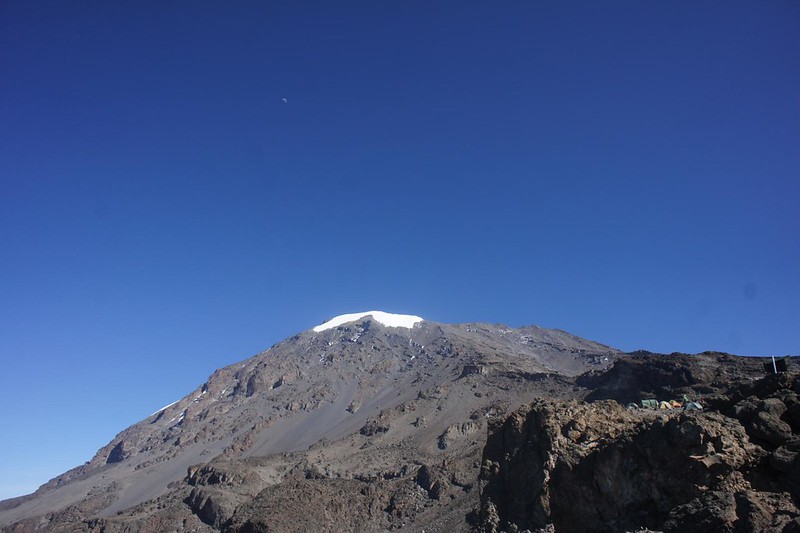
Mount Kilimanjaro, on the other hand, lies in northern Tanzania near the border with Kenya. As Africa’s highest peak at 5,895 meters (19,341 feet), Kilimanjaro dominates the landscape with its snowcapped summit and surrounding montane forests.
While Masai Mara is a wildlife haven primarily focused on safari experiences, Kilimanjaro is world-renowned for its trekking routes and the achievement of summiting Africa’s tallest mountain. The two destinations are about 350 to 400 kilometers (220 to 250 miles) apart as the crow flies, but travelling between them involves a cross-border journey with logistical considerations.
Highlights of Masai Mara
Masai Mara offers an unparalleled concentration of wildlife, which attracts visitors throughout the year. The reserve is especially famous for the annual Great Migration, during which millions of wildebeest and zebras cross from Tanzania’s Serengeti into the Mara in search of greener pastures.
In addition to the migration spectacle, Masai Mara delivers excellent year-round game viewing, including the Big Five (lion, leopard, elephant, buffalo, and rhino). The area is also home to Masai communities who continue their traditional way of life, offering cultural experiences for visitors.
Luxurious camps, classic lodges, and mobile tented camps cater to a wide range of preferences and budgets, providing comfort without compromising proximity to nature. Game drives, hot air balloon rides, guided walks, and visits to Masai villages are among the most popular activities.
Kilimanjaro: The Climb and Surroundings
Mount Kilimanjaro, known for its stunning views, is a non-technical yet challenging trekking peak that attracts climbers from around the world. Its diverse ecological zones range from lush rainforests at the base to alpine meadows and the stark, icy summit. Many climbers opt for popular routes such as Marangu, Machame, and Lemosho, each offering unique experiences suitable for those planning a masai mara safari or exploring the beautiful landscapes of northern Tanzania. Reaching the summit requires proper preparation, acclimatization, and determination, making it essential for climbers to be well-informed about their journey.
Nearby towns like Moshi and Arusha serve as popular bases for Kilimanjaro expeditions, offering easy access to local attractions. The mountain is also surrounded by attractions like Amboseli National Park on the Kenyan side and coffee plantations, providing excellent opportunities for relaxation after a challenging climb. For global travellers, the combination of Mount Kilimanjaro and the nearby Maasai Mara Game Reserve creates an unforgettable adventure in East Africa.
In addition to the breathtaking scenery, climbers can enjoy diverse wildlife and stunning views of the Maasai giraffe in the region. With the right planning and guidance, climbers can experience the beauty of both Kilimanjaro and the Maasai Mara, making for an enriching journey. Proper preparations and understanding the various routes are key to ensuring a successful trek and a memorable adventure in this remarkable part of the world.
Logistics of Traveling from Masai Mara to Kilimanjaro
Traveling between Masai Mara and Kilimanjaro requires thoughtful planning due to the cross-border nature and limited direct connections. There are two main travel options: flying and overland transfer.
Flying is typically the most convenient and time-efficient option. It involves a short flight from one of the Mara’s airstrips to Nairobi, followed by a connecting flight to Kilimanjaro International Airport in Tanzania. Both scheduled and chartered flights are available, although they may require coordination between different operators.
Overland transfer is possible but more complex. Travelers drive from Masai Mara via Nairobi toward either the Namanga or Taveta border crossings, and then proceed south to Moshi or Arusha. This can take a full day or longer, depending on road conditions, border formalities, and traffic.
Travelers must carry valid passports and ensure they have appropriate visas for both Kenya and Tanzania. Some nationalities can obtain visas on arrival, but it is best to check requirements in advance to avoid complications.
Best Times to Visit Both Destinations
Timing your trip is crucial for maximizing the experience in both Masai Mara and Kilimanjaro. The Great Migration, one of the main draws for the Mara, typically occurs between July and October when herds cross the Mara River.
Kilimanjaro can technically be climbed year-round, but the best months are January to early March and June to October. These periods offer the clearest and most stable weather conditions on the mountain, with minimal rainfall.
Traveling during shoulder seasons may offer fewer crowds and lower costs, but some weather risks, such as muddy roads in the Mara or slippery, wet conditions on Kilimanjaro, should be considered. Coordinating both destinations in one trip requires careful attention to seasonal patterns.
Combining Safari and Climbing: Planning an Itinerary
Visiting both Masai Mara and Kilimanjaro in one trip is a logistical challenge but highly rewarding. Most travelers choose to start with the safari portion in the Mara, allowing time to acclimate and enjoy relaxed game drives before tackling the rigorous trek up Kilimanjaro.
Typically, journeys start in Nairobi with a connection to Masai Mara. After the safari, travelers return to Nairobi or directly fly to Kilimanjaro International Airport to begin the climbing phase.
Spending a day or two in Arusha or Moshi before the climb is advisable for acclimatization and logistical preparations. After summiting Kilimanjaro, many opt for a rest period at a lodge or visit attractions like Lake Manyara or Ngorongoro Crater.
Wildlife and Landscapes: Contrasts and Connections
The Masai Mara ecosystem is defined by expansive grasslands, rivers, and clusters of acacia trees. The landscape supports an incredible density of mammals, birds, and predators, offering one of the richest safari tapestries in Africa.
Kilimanjaro, as a volcanic massif, contrasts sharply with its surroundings. Its lower slopes support lush montane forests teeming with birdlife and primates, which give way to heath and moorland, then alpine desert and finally the glaciated summit.
Both destinations are united by their roles in traditional Maasai culture and heritage, as both the Mara and areas surrounding Kilimanjaro are home to Maasai communities. For travelers, this offers a chance to experience continuity in the cultural and natural history of East Africa.
Essential Considerations: Health, Safety, and Sustainability
When traveling between Kenya and Tanzania, ensuring proper vaccinations and health precautions is critical. Yellow fever vaccination is often required, and malaria prophylaxis is recommended for both destinations.
Travel insurance covering medical evacuation, high-altitude trekking, and safari-related incidents is strongly advised. Visitors should also respect local customs, wildlife regulations, and sustainability practices to protect delicate ecosystems and support ethical tourism.
Responsible travel, such as choosing eco-friendly lodges, minimizing waste, and supporting community-based tourism, helps ensure these remarkable areas remain protected for future generations.
Conclusion
Traveling from Masai Mara to Kilimanjaro blends the exhilarating beauty of African wildlife safaris with the physical and mental challenge of summiting the continent’s highest peak. This journey is as rewarding as it is diverse, offering a deep immersion in nature, culture, and adventure. With careful planning, attention to logistics, and sensitivity to local environments, this East African combination stands as one of the most unforgettable experiences on the planet.
FAQ
1. What is the best way to get from Masai Mara to Kilimanjaro?
The most efficient way is to fly from a Mara airstrip to Nairobi, then take a flight to Kilimanjaro International Airport near Moshi or Arusha in Tanzania. However, an overland safari is possible but far more time-consuming and logistically complex.
2. Do I need separate visas for Kenya and Tanzania?
Yes, global travellers require separate visas for Kenya and Tanzania. Regulations vary by nationality, so it is important to check the latest visa requirements and obtain the appropriate documentation in advance for your Masai Mara safari.
3. Can I combine a safari in the Masai Mara with a climb up Kilimanjaro in one trip?
It is entirely feasible and popular to combine a Masai Mara safari with a Mt. Kilimanjaro climb, especially with careful itinerary planning to account for flights, local transfers, and acclimatization. Most global travelers begin with the safari before proceeding to the mountain trek.

