
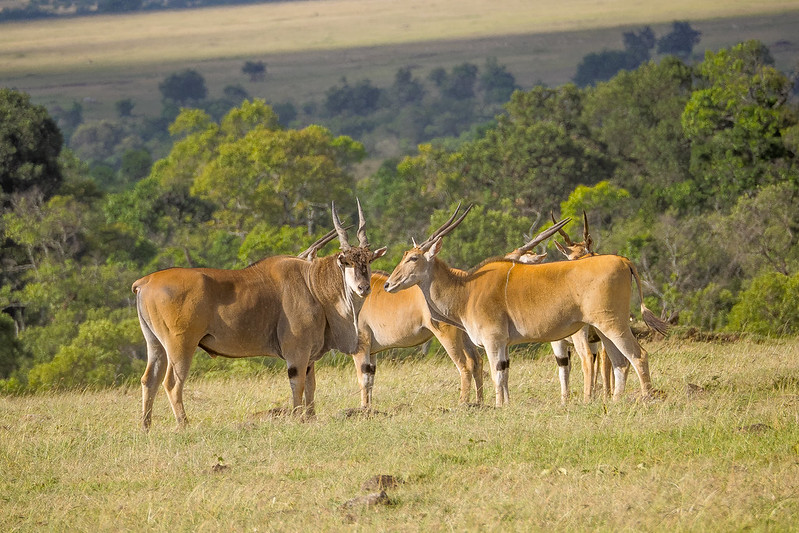
Masai Mara game drive
The Drive’s Rhythm
A Masai Mara game drive is an exhilarating experience in a naturalist’s paradise, following the cadence of the wildlife and the rhythms of the savannah. Each kind of game drive offers a unique angle, for different interests and times of day.
- Morning game drives: Known for the cool, crisp air and soft light of sunrise, these drives are ideal for spotting predators who are still active after a night of hunting, as well as herds of grazing herbivores.
- Late afternoon game drives: Begin as the day cools, with animals emerging from shade to graze or visit waterholes. This gives golden-hour lighting, great for photos.
- Night game drives: Starting around 7 pm and lasting until 9 or 10 pm, they reveal the nocturnal world, with species like bush babies, hippos, and silver-backed jackals becoming active.
- Full-day safari drives: These cover diverse habitats and offer sustained opportunities to observe wildlife, including rare behaviors and interactions.
Just as game drives have their own rhythm, so do the animals and the bush. Late afternoon, when the day’s heat relents, is prime time for wildlife. Elephants, zebras, and wildebeest roam to waterholes or graze on open plains.
The drive is very leisurely, with vehicles maintaining 40-50 km/h speed limits to remain safe and give adequate time for sightings.
As day moves into night, the beat shifts. The savannah becomes still, imbued with night’s mystery and interrupted by nocturnal birds and the whisper of unseen beasts. Night drives are especially exciting, with safari guides using spotlights to uncover nocturnal animals that are hard to spot in daylight.
There’s a special thrill in the stilled moments like these, amplified by the prospect of sighting some elusive wildlife.
During peak season, like the great wildebeest migration between July and September, the rhythm cranks up. It’s the sheer number of animals and their dramatic crossings of the Mara River which make these drives unforgettable.
Even beyond the rush hour, the well-timed drives encapsulate the spirit of the Masai Mara. The shifting light, the motion of the animals, the sound of the savannah all create an experience that is at once peaceful and vibrant.
The Perfect Vehicle For Your Game Drive
The vehicle you select for a Masai Mara game drive can define your entire safari adventure. From comfort and safety to the quality of wildlife viewing, all the details count. Below is a breakdown of options to help you make an informed decision:
- MINIBUSES FOR VALUE SAFARIS
Minibuses are the hot ticket when it comes to budget travelers wanting to get around the Masai Mara. These are great for groups, carrying between 6-8 passengers. They might not provide the same open-sided experience as our more specialized safari vehicles, but many come with pop-up roofs which are great for game viewing and taking photos! Minibuses can handle the park’s main roads, but might have trouble with rugged terrain. They’re a nice compromise for those on a budget who still want a satisfying safari. - Private Safari Vehicles for Customization
Private vehicles provide unsurpassed flexibility and exclusivity for the road warrior looking for a customized encounter. These are usually open sided vehicles and offer the best opportunity for viewing the wildlife and the scenery, as well as being ideal for photographers. With a private vehicle, you have the flexibility to customize your schedule, linger longer observing specific animals of interest, or even change the timing of your game drives. We particularly recommend these for families, couples or small groups looking for a more intimate and controlled experience. - Comfort and Safety Features
Since we would be spending hour upon hour on game drives, comfort was key. Find adjustable seating, AC and noise insulation – especially if you’re going on a full-day safari. Safety features like seatbelts and roll bars should be a factor as well, particularly when traveling over rough terrain. Engine power and transmission type factor in as well, since the Masai Mara’s terrain features rugged inclines and muddy trails. There’s not much that can beat a well-tuned 4×4 in these situations. - The Importance of a Veteran Driver
Should you be in an ATV or a motorcycle, it’s essential to have a veteran driver lead the way. These experts don’t just protect you, though; they add to the experience by educating you about the local flora, fauna, and park history. Their knowledge can take your game drive to the next level, assisting you in locating elusive animals and immersing yourself in the ecosystem.
Best Time For Visiting Masai Mara For a Game Drive
Knowing the seasonal rhythms of the Masai Mara is key to planning a rewarding safari. The reserve is fantastic for wildlife viewing year-round, but the timing of your visit makes a big difference! Below is a detailed breakdown of wildlife activity and the best visiting months:
| Season | Wildlife Activity | Best Months |
|---|---|---|
| Great Migration | Wildebeest herds crossing rivers, predator activity | July to October |
| Dry Season | Sparse vegetation, easier wildlife spotting | June to October |
| Green Season | Resident wildlife, lush landscapes | March to May, November |
Known as the green season, this period from March to May plus November, engulfs the Masai Mara in life. This is a less touristy season thus safari is more secluded and tranquil. Resident wildlife such as elephants, giraffes and various antelope species are still plentiful, providing great game viewing without the hassle of dodging congested trails.
The rains of these months can make certain roads slippy and more difficult to pass, so selecting a tough safari vehicle is imperative. If you’re more of a loner, looking for something off the beaten path, then the green season is perfect.
The dry season between June and October is best for spotting wildlife. With little grass, it is easier to spot animals and waterholes are an animal meeting place. This corresponds with the Great Migration, when millions of wildebeest and zebras descend into the Masai Mara’s savannahs.
Between July and October, guests get to experience incredible river crossings and intensified predator activity. Timing your visit for these months optimizes your opportunities to experience these emblematic moments. Extended or full-day game drives are a must during this period to encapsulate the entire burst of activity, from dawn to dusk.
For animal enthusiasts who want to time their schedule with certain wildlife events, the Masai Mara allows for some leeway. Lion and cheetah hunts are at a high during the migration months when they have plenty hunting available. Meanwhile, the savannah as a whole feeds the herds from July to November, offering consistent game viewing.
No matter the season, the reserve’s rich ecosystem is home to a flourishing wildlife population, ensuring unforgettable sightings throughout the year. Visitors should organize their visit around what they want to see, the rush of the migration or the quiet of the green season.
Masai Mara Wildlife To Watch on a Game Drive
The Masai Mara is famous for its iconic “Big Five”, but there’s a lot more than these famed animals. This immense ecosystem is a biodiversity bonanza, providing incredible experiences with the animals, the birds and those unique behaviors that make the savannah come alive.
The behaviors of various animals in the Masai Mara are fascinating. Giraffes are often seen gracefully grazing on treetops and engaging in necking battles. Zebras participate in social grazing in herds, frequently alongside wildebeests. Hippos can be observed lounging in rivers, occasionally surfacing to bellow loudly. Meanwhile, wildebeests are known for migrating in massive herds, crossing rivers filled with crocodiles.
Night drives show you a very different side to the Masai Mara. Nocturnal predators like leopards, hyenas, and owls rule the land post-sunset. Guests can observe leopards stalking prey or hyenas scavenging in the moonlight. The hush of the night amplifies the sounds and movements, providing an exhilarating peek into the lives of these secretive creatures.
Birdwatchers will fall as hard for the Masai Mara. With more than 450 bird species documented, it’s an ornithologist’s paradise. From the stunning lilac-breasted roller to the enormous ostrich, the variety is incredible. Martial eagles, vultures and other raptors circle overhead while little weavers and sunbirds bring bursts of color to the savannah.
There’s nothing more riveting in the Masai Mara than predator-prey encounters. Lions lazing in the sun, cheetahs chasing gazelles, and crocodiles catching wildebeests in a river crossing are everyday experiences. These instances capture the grittiness of wilderness’ romance, imprinting irreplaceable memories on travellers.
The Mara presents special ways to bond with animals. Local conservancies let you actually get involved in conservation, whether it’s feeding endangered Rothschilds giraffes or dropping in at orphan elephant centres. These experiences sustain critical conservation projects and teach guests about the delicate balance between communities and wildlife.
For those yearning for quiet, parts of the Mara offer a serene solace. With less cars, guests can experience nature, the crickets, the open horizon and fresh African air.
Hiring A Guide for Masai Mara Safari
A successful Masai Mara game drive is entirely dependent on the experience and professionalism of your guide. These specialists are crucial in keeping not just a memorable experience but the security and viability of this one-of-a-kind ecosystem.
There are certain fundamental traits of a good safari guide. They are pros who sign a Code of Conduct every year, focusing on ethical and safe practices. They put a premium on passenger safety, instructing visitors to stay in the vehicle and keep a respectful distance from wildlife. This does not only reduce hazards, but it ensures that animals might not be disturbed in their natural habitat.
Guides should show a deep knowledge of animal behavior, how predators hunt, how herbivores communicate, and why certain species gather in a specific area. This experience allows guests to understand the nuanced interactions of the environment. The guide’s narration was not only informative but enriching. For example, they could describe how cheetahs employ speed to pursue prey or why lions rest in the shade during the day. Knowing these habits makes every sighting more special.
Guides know to avoid weaning or breeding grounds to protect little ones from undue stress. It’s their knack for anticipating where the animals might be moving from trackwork or signs in the bush that results in those amazing sightings. Timing and location are essential for a satisfying game drive and seasoned guides are experts in this.
Early mornings and late afternoons are best since animals are more active during these cooler times. Guides know directions to head to based on where they know the herds migrate or where watering holes are sited or where they’ve last seen something moving. They’ll say, for instance, during the Great Migration, head toward the Mara River to observe wildebeest crossing.
More than wildlife, guides are cultural ambassadors. The Maasai, coexisting peacefully with the region’s abundant wildlife, have interesting customs. Guides can relate tales of their traditions, of how they make medicine from local plants, or their spiritual bond with the land. This cultural perspective enriches the safari, and it makes the experience more complete.
Other Activities and Things To Do in Masai Mara
There’s more to exploring the Masai Mara than just the legendary game drives. Guests can indulge in numerous activities that highlight the reserve’s diverse landscapes, wildlife, and cultural nuances. These activities provide a comprehensive experience of this exceptional location.
- Picnic lunches or bush dining: Dining in the wilderness of the Masai Mara is an experience in itself. Bush meals are often set against impressive backdrops, so visitors can bask in the reserve’s splendor while indulging in both local and international cuisine. Prices for such experiences usually hover in the $40-$80 a person range, so it’s a remarkable but not unattainable luxury for many.
- Hot air balloon safaris: Taking to the skies offers a perspective unlike any other. Suspended in a bubble above the savannah at sunrise, guests watch elephant herds, giraffes and even predators – from a bird’s eye perspective. At about $485-$515 per person, it’s one of the highlights of a visit to the Masai Mara.
- Luxury safari lodges or camps: After a day of exploration, relaxing at a premium lodge or tented camp provides comfort and serenity. Many of the rooms offer panoramic views of the wilderness, keeping you connected to nature even with all the conveniences of home.
- Walking safaris: For those seeking a closer connection to nature, walking safaris offer an intimate way to explore the ecosystem. Led by veteran trackers, visitors discover animal habits, flora and the reserve’s equilibrium. Not like vehicle safaris, these walks emphasize frequently missed nuances, making them both informative and experiential.
- Village visits: Engaging with local communities, such as the Maasai people, provides insight into their rich traditions and daily life. These interactions are humbling and enlightening to most visitors, as they discover traditions and practices that have existed for centuries. Further north, cultural encounters with tribes such as the fiercely traditional Samburu, outside the Masai Mara region, are available.
- Night game drives: Available in private conservancies, night drives reveal a different side of the reserve. With the assistance of spotlights, guests can see nocturnal animals such as bush babies, bat-eared foxes and owls in their natural habitat beneath a star-lit sky. This serves as the perfect complement to daytime explorations, enriching your safari experience.
Additional Activities:
- Visit nearby conservation centers or wildlife sanctuaries.
- Capture the reserve’s beauty through guided photography tours.
- Take part in birdwatching excursions to spot diverse species.

