
April’s Atmosphere
April’s atmosphere represents the point when the long rains begin, turning the dry season into the wet season for the Masai Mara. In this month, the weather turns, and rain becomes frequent. It rains mainly in the evenings or at night, with clear mornings and early afternoons for adventure. It’s this balance of sunshine and rain that makes April such a special place to visit.
Daytime highs in April hover around a mild 26°C, while cooler evenings provide a welcome respite. The weather is nice overall so it’s a tempting time to visit the area. There is heavy rainfall and an occasional thunderstorm, broken by sunny skies, and when you can get out. The volatility of the weather makes it compelling, as dramatic skies develop in late afternoon, ideal for photographs.
The rains breathe life into the Masai Mara, a green wonderland. Plains grasses grow long and lush, and marsh reeds start blossoming. These bursts of vegetation create a pretty setting and make game viewing even better, as wildlife revels in the newly invigorated surroundings. The mix of sun and rain grows the wildflowers as well.
April is very satisfying for bird lovers. Migratory birds like the European white stork and local favorites like cattle egrets and African fish eagles are abundant. The wealth of water and food provides the Masai Mara with some of the best birdlife in the world.
There’s a certain coziness and serenity in April’s atmosphere. There’s nothing like the sound of rain pitter-pattering on canvas roofs during overnight showers, setting a peaceful mood, although the combination of storm and sun produces beautiful sunsets and dramatic horizons.
The Wildlife Story
April on the Masai Mara is an amazing time to see resident game in action. The plains buzz with energy, providing an opportunity to witness legendary animals such as lions, elephants, and giraffes set against vibrant verdure. Elephants, migrating with their breeding herds, wander the plains with calves and giraffes feed on acacia leaves, their long necks camouflaged against the brush. Lions, especially in the Musiara sector where the legendary Marsh Pride roam, rule the open plains. Renowned for one of the densest lion populations, this area offers an incomparable chance to observe their social dynamics and hunting tactics.
Having newborn animals arrive in April makes wildlife viewing an exciting experience. Wildebeest calves and zebra foals were everywhere, their wobbly-step a counterpoint to the experienced strut of their herds. These youngsters are part of the circle of life and are often what draws in predators. Lionesses, for example, can be spotted hunting in the open – taking advantage of the plentiful herbivores grazing on the new grass. It’s this dynamic of hunter and hunted that fuels an action-packed realm of observation.
The April rains turn the Mara into a green wonderland, attracting herbivores to the new grass and great game viewing. Grey crowned cranes, for instance, rely on the long grass to nest their chicks, out of reach from predators. The Mara River and its banks come alive, hosting hippos, monitors, and a diversity of birds. The rains add to the scenery, with moody skies and lush landscapes providing perfect backdrops for wildlife photos in April. The dense foliage provides distinctive backgrounds, photographing not only creatures but the spirit of the Masai Mara’s annual metamorphosis.
A week-long safari of this time is particularly special for the aficionado, mixing rare sightings with bouts of nature nirvana.
A Transformed Landscape
April is a time of renewal in the Masai Mara, with the rains bringing to bloom the region’s signature grasslands and acacia woodlands. The golden, dry plains, so common during the dry months from June to October, give way to a vibrant, lush green. Rain breathes new life into the ground , pulsing with new life, providing a dramatic reminder of the dry season.
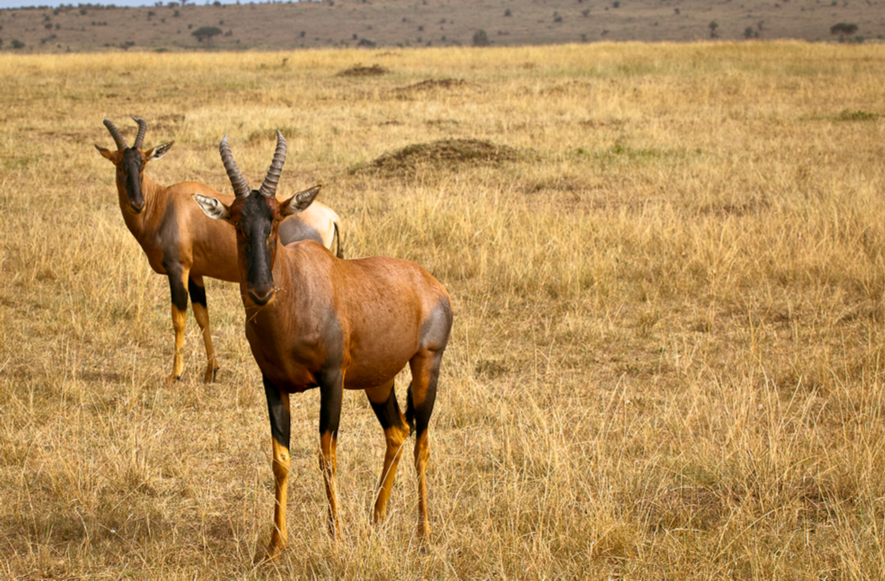
The rains create an explosion of new life – bursting foliage and tender grass shoots. These new grasses draw herds of grazers , zebras, gazelles, antelope , that are quick to exploit the bounty. This herbivore influx attracts predators, too, making April an exhilarating month to be in the wild. Although the Great Migration is a few months off, the area is still bustling as wildlife adjusts to the season.
Flooded marshes and swollen rivers become lifelines for the Mara’s residents. Once dry spots become lifelines for gigantic and tiny creatures. Elephants and hippos visit these wetlands and birds such as herons and kingfishers abound in the waters. Amphibians, like frogs, make an appearance in increased quantities, capitalizing on the more saturated atmosphere to reproduce and feed. Such a biodiversity spike underlines the interwoven nature of the ecosystem at this period.
This contrast between the green season and the arid months highlights the Masai Mara’s seasonal splendor. The dry season is prime wildlife viewing because of diminished foliage. April’s transformed landscape is a photographer’s fantasy, boasting dramatic skies, lush colors and animated animals. The landscape in April is a reminder of the tenuous balance this region holds, sculpted by nature’s cadence.
The Solitude Advantage
April is the off-season in the Masai Mara, so it’s our secret special time to go, if you’re looking for a quieter, more intimate safari. With the tourist numbers in decline, the reserve is a sanctuary of solitude – a welcome relief from the jostling peak-month crowds. This season is for those adventurers who want a little more time to connect with nature at their own speed.
The small amount of safari vehicles just adds to the tranquility. Common viewing locations, which can be crowded at the height of the season, are essentially deserted, allowing guests to experience tranquil wildlife viewing. For instance, observing a lion pride or elephant herd seems more intimate without several vehicles honking for position. This quiet scene helps you hone in on the finer details of your surroundings, like smaller creatures or beautiful birds.
Another advantage of traveling in April is that things can be more laid back. Freed from the pressure to race the crowds, visitors can slow down and truly savor the Masai Mara’s stunning varieties of terrain. The green season turns the reserve into a paradise with thick vegetation and luxuriant plants. Though the rains can create muddy roads and inevitable travel delays, the payoff is in the stunning scenery and plentiful birdwatching. Kingfishers and bee-eaters are especially active, so it is a rewarding time for birders.
Budget-conscious travelers will love the discounted rates that many lodges and camps offer during low-season as well. Slightly reduced hotel and park entrance fees are just extra incentive to come in April. There’s the rainy season to deal with. Puddled and slick streets can make it harder to get around, and the weather won’t always be perfect. This leaves April most appropriate for experienced adventurers who appreciate solitude and are willing to endure some inconveniences.
Recommended Activities
April in the Masai Mara is a wonder, as the rains turn the plains to emerald green, and the best times to explore are during these months. Where this lush landscape and bustling fauna converge, memorable adventures are made.
Top of the list, experiencing the magic on game drives. Offering unrivalled wildlife viewing, the Masai Mara are home to the Big Five – lion, leopard, elephant, buffalo and rhino. The cooler air of April, particularly at dawn and dusk, tends to put animals on the move, increasing your probability of seeing them. The green background makes the animals stand out – great photographic opportunities! Safari drives remain the best way to see animals such as cheetahs, giraffes and zebras roaming the plains.
Birding in April is extraordinary. The rains flood in the insects and frogs and even catfish, which brings in loads of birds. The migratory birds in their breeding plumage – from the beautiful European roller to the storks. Masai Mara is a bird watchers paradise with over 500 bird species.
Take a guided nature walk for an intimate exploration of the ecosystem. These walks enable visitors to identify local plants, follow the trails of tinier creatures and, most importantly, value the ecosystem as a whole. Some have night drives, offering an opportunity to spot nocturnal animals such as bush babies or aardvarks.
A visit to the Mara River is another must. This famous spot is ideal for watching crocodiles and hippos prosper in their environment. April is a prime time to spot hippo calves, sometimes in the marshy areas.
More culturally, Maasai villages and manyattas provide a glimpse into the traditions and way of life of the Maasai people. Interspersed throughout these visits are traditional dances and crafts.
Hot air balloon safaris offer a breathtaking view of the Mara’s endless plains. There is nothing quite like drifting silently above the plains at sunrise, gazing down at the breathtaking views of wildlife and untouched landscape, truly an unforgettable experience.
Essential Preparations
Going to Masai Mara in April needs some essential preparations because it’s the time when the long rains, which generally occur from April to June. With rain comes green, lush lands and a more tranquil safari. It also requires you to be a bit more savvy to be sure your trip is comfortable and enjoyable.
Of course, you have to pack rainproof clothes. April’s showers are a bit unpredictable, so a light rain jacket/poncho will keep you dry on game drives or nature walks. Combine this with solid, waterproof hiking boots to slosh through muddy trails like a champ. Hard-wearing hiking boots are a clever idea for their traction and ankle support.
Insect repellent is a must too! Rainy season brings out malaria-carrying mosquitoes, posing a risk in local rural communities surrounding the reserve. A good insect repellent and some long-sleeved clothes in the evening go a long way to reducing your exposure. Travelers should consider speaking with a doctor about anti-malarial medication before the journey.
A nice pair of binoculars will come in handy for sighting animal and birdlife that flourish in the rains. Than 450 bird species in the Masai Mara, including migratory birds that flock here during this period. Binoculars will amplify your experience of these details, particularly when the animals or birds are far away.
Accommodations and safari packages ahead of time It is highly advisable to book safaris and accommodations in advance. Rainy-season safaris have fewer choices, with some lodges and camps closing for a period of time. Early reservations secure the prime choices, such as seasoned guides who know how to avoid the mud during wetter months.
April temperatures can curve from 18°C (64°F) in the mornings to about 30°C (86°F) in the afternoons, thus layering is essential for these fluctuations. Please don’t forget your sun protection, hydration, sunscreen and a wide brimmed hat are non-negotiable even on cloudy days.
Lastly, preparing for the logistics of travel is crucial. Though the Kenyan Shilling is the main currency, US Dollars are everywhere, making transactions easy. When there is no service charge, a 10% tip for guides and staff is standard.

