
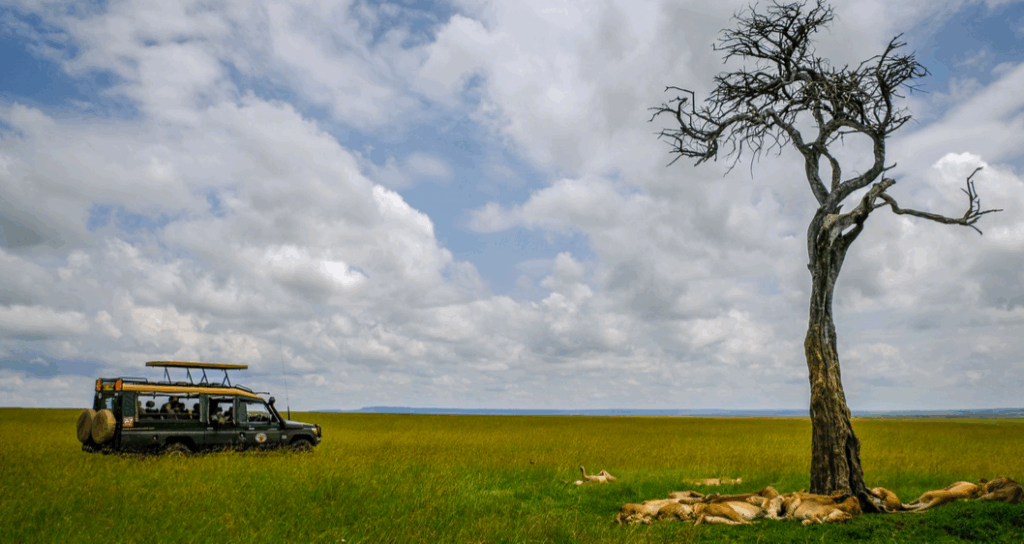
Why Self-Drive in Masai Mara?
Opting for a self-drive car rental in Masai Mara grants you incredible freedom and flexibility, enabling you to customize your safari adventure. This alternative is ideal for individuals who appreciate autonomy and want to experience Kenya’s famous wildlife reserve according to their own schedule.
- Flexibility in Exploring: A self-drive safari lets you create your own schedule without being tied to a group or guide. You can stay as long as you like at a watering hole or make a side trip to find off-the-beaten path sightseeing. This control allows you to really get into the experience, whether that’s watching a lion pride at sunrise or savoring a private sunset.
- Cost-Effectiveness: For groups or families, renting a 4WD vehicle for self-driving can be more affordable compared to guided tours. Costs, including fuel and rental fees, can be split, and you dodge extras like driver allowances or tips. This renders it useful for long trips, too.
- Personalized Experience: Without a guide or tight schedule, you can enjoy a more intimate connection with nature. Whether you’re capturing wildlife from your safari van or just basking in the open savannah vistas, it somehow feels personal. It provides quiet moments, which are few and far between on group tours.
- Adventure and Independence: Navigating the reserve on your own adds an element of adventure. You’ll drive dirt tracks, ford streams and negotiate rugged terrain – especially in the rainy season. A sturdy 4WD vehicle is a must for this, and the exhilaration of skimming through the terrain is indelible.
Self-driving isn’t without its challenges. So drivers better be ready, armed with a GPS and know-how to calm down a wild bear. The road can be rough, and random animal interactions need to be handled with care and reverence. Advance planning and knowing the reserve’s rules really are key.
Allowed Cars in Masai Mara
Vehicle selection is important for a secure and pleasurable Masai Mara safari. The wildness of the reserve’s rugged terrain, unpredictable weather, and remote distances require a very particular type of vehicle. Below is a breakdown of popular self-drive rental options, along with their features, pricing, and suitability:
| Vehicle Type | Features | Price Range (per day) | Pros | Cons |
|---|---|---|---|---|
| Safari Land Cruiser | 4×4 drive, safari modifications (pop-up roof, raised suspension), GPS navigation | $200–$250 | Best for rough terrain, reliable in wet seasons, spacious | Higher rental cost, lower fuel efficiency |
| Toyota Land Cruiser Prado | 4×4 drive, comfortable seating for 4–5, automatic transmission, GPS navigation | $150–$200 | Comfortable for small groups, capable on rugged roads | Moderate fuel consumption, slightly costly |
| Minivan (e.g., Toyota Hiace) | 2WD or 4WD options, seating for up to 9, basic navigation features | $80–$120 | Budget-friendly, good for main roads, spacious interior | Struggles in wet or steep conditions |
A 4×4 is a must, particularly in the rains when the roads turn to mud and even flood. Safari Land Cruisers, rude for their toughness and off-road capabilities. These vehicles frequently feature safari specific modifications, including pop-up roofs for viewing wildlife and raised suspension for rugged trail travel.
For smaller groups or families, the Prado is a great blend of comfort and performance. With AT, it’s easier to drive for those inexperienced with the dirt. It gives you better fuel economy than the bigger ones, which is handy on those longer safaris.
Minivans – like the Toyota Hiace – are a cheaper solution for those holding onto the highway or with bigger parties. They are less competent off-road adventurers and can struggle in steep or muddy terrain. Economical, yes, but without the bells & whistles of 4×4’s.
Make sure it has key features, such as GPS navigation and custom safari modifications.
Rental Logistics
Planning ahead with rental vehicles for a Masai Mara adventure is essential! By booking early you guarantee your vehicle-type and get the best available rates, especially during the migration season from July – October. It’s when demand is highest, so if you book a few months in advance, you’ll save money and needless anxiety. Rental prices can fluctuate quite a bit – usually between $150 and $250 a day for a 4×4, based on things like the specific model, how long you’re renting it for and whether a driver-guide and fuel is included. It makes a lot of sense to compare rates from more than one provider.
To traverse the rugged landscape of Masai Mara requires a special vehicle. A 4×4 safari, be it a Land Cruiser or safari van, is the most practical and popular option. These cars are designed for uneven terrain and offer a customized viewpoint into the wild. Self-drive are possible, but they are far less frequent due to the rough road conditions, particularly in the rain season. Hiring a driver-guide is almost always advised, as their expertise of the region and animal habits can really enhance your safari.
To streamline the process, follow these steps for confirming your rental logistics:
- Research and choose a reputable rental provider.
- Compare vehicle types and pricing to suit your needs.
- Book in advance to secure availability and better rates.
- Check if the rental comes with services such as a driver, fuel and insurance.
- Check to see if roadside assistance and replacement vehicle options are included in the rental.
Roads in Masai Mara can be rough, especially during rains, so being prepared is very important. Dependable transportation and extra help like roadside assistance make the journey easier. A driver-guide adds a unique touch to your safari experience, pairing secure driving with informative knowledge about the animals and their habitat. Whether you pick a posh Land Cruiser or a budget safari van, the vehicle you choose makes the experience.
Essential Paperwork
When you rent a car for your Masai Mara adventure, having the right paperwork ensures a hassle free experience. Whether you’re a self-drive or guided rental, there are some specific paperwork necessities, and being ready can cut down on wasted hours and unexpected headaches.
Leave with a legitimate international driving license or Kenyan driving license for self-drive hires. Almost all rental companies in Kenya will not allow a vehicle to go out without these. Your home country’s license should come along with an international driving license. Double check your expiration dates – they don’t take expired licenses. If you’re not sure that your driving license is internationally valid, check in advance with your rental agency.
Insurance is another key necessity. Rental packages usually have some basic insurance included, but you should check closely. Make sure that you have liability and collision coverage included in the plan. For peace of mind, explore add-on insurance that protects you against theft or wildlife damage – a genuine concern in the Masai Mara. Ask for a copy of the policy and verify the claims process, so you’re not blindsided in the event of an occurrence.
A checklist can help simplify your preparation. Add your passport, visa and any permits. Travellers to Kenya usually require a visa, which is available online or on arrival. Double check the visa requirements for your nationality to avoid delays. They may require a yellow fever certificate if they are coming from an infected area. Travel insurance is another must-have, covering medical emergencies and cancellations. Maintain printed and digital copies of all documentation for easy access.
Getting acquainted with local laws is crucial. Kenya drives on the left and they are very strict about speed limits in the Masai Mara. Park rules forbid off-road driving to safeguard the animals and nature. Breaking these regulations can result in fines or canceled leases, so it’s smart to check them out prior to your trip.
Navigating the Mara
Preparing for the Masai Mara – How to navigate the Mara Spread across more than 1,500 square kilometers, the reserve’s varied topography , ranging from open savannah to riverine forests , means that getting around efficiently is key to a fulfilling safari.
Whether using GPS navigation or good maps, this is essential for navigating the reserve’s expansive terrain. A lot of the roads aren’t marked, so it’s nice to have a dependable nav system to keep us from getting lost. Digital maps or offline GPS apps are great, but bringing a paper map as a backup is smart. Network coverage in remote areas is sketchy at best.
Key Routes and Tips
- Sekenani to Mara River Route: This popular route offers excellent wildlife viewing, particularly during the Great Migration. It links the Sekenani Gate with the Mara River, where wildebeest crossings provide spectacular highlights.
- Talek to Sand River: This route is ideal for spotting big cats and exploring lesser-known conservancies.
- Track Water Sources: Wildlife often gathers around rivers and waterholes, especially in the dry season. Map trails near these zones for prime viewing.
Driving in the Masai Mara requires a dependable 4WD vehicle especially when things get wet. Black cotton soil turns muddy and slippery in the rainy months (March-June) and renders certain trails impossible. High-clearance vehicles with off-road tires and suspension are a must to traverse uneven terrain.
Watch out for local traffic! Dry season travel (July – October) is often simpler, with wildlife gathered around waterholes. Weather can be changeable, so come prepared. A pro driver-guide can be priceless, providing expert insight about the ecosystem and animal behaviour and professionally navigating difficult terrain.
Park rules are important. Stay on trails to safeguard fragile habitats and minimize disruption to wildlife. This promotes sustainable tourism and helps preserve the reserve’s beauty for years to come.
Insider Knowledge
Insight into car rentals and driving in Masai Mara. From traversing rocky paths to uncovering secret jewels, insider knowledge has the potential to make your journey unforgettable.
Driving in Masai Mara needs to be done prepared and to have a good car. A 4WD car is a must, particularly if they’re traveling in the rain season where roads turn to mud. It’s partially due to the fact that some sections of the reserve, including remote wildlife conservancies and Maasai villages, are accessible only by 4WD, making it crucial for a smooth ride. Familiarizing yourself with the park’s rules is important. Private 2WD vehicles cannot be used for game drives, so be sure to research vehicle limitations prior to confirming a rental.
Timing makes a big difference on your safari. The green season (November to May) provides stunning views of verdant scenery and is perfect for birdwatching as migratory birds abound. For those eager to see the legendary wildebeest migration, timing your visit during the dry season, generally June through October, is crucial. Skipping the peak tourist months can give you a less crowded, more immersive experience and let you really enjoy the park.
Insider tips point you to gems beyond the spotlight. Hopping into Maasai villages is great for dipping into local culture, and lesser-known conservancies tend to deliver a more personal wildlife viewing experience. Knowing about the park’s six main gates, like Oloololo Gate in the North Eastern area, can help shave travel time from your itinerary.
To ensure a safe driving experience, here’s a table of expert tips from locals:
| Driving Tip | Reason/Benefit |
|---|---|
| Use a 4WD vehicle | Better traction on rugged and muddy roads |
| Avoid driving after dark | Wildlife may wander onto roads, increasing risk |
| Carry a detailed map or GPS | Cell signal can be unreliable in remote areas |
| Keep emergency supplies in the car | Useful for breakdowns or unexpected delays |

