
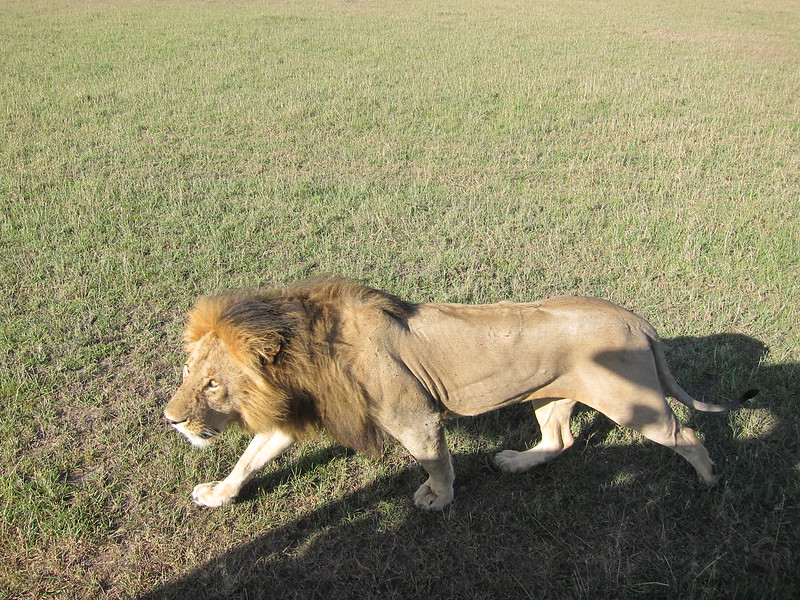
Embark on a life-changing 12-day Kenya safari itinerary, weaving across Africa’s most celebrated wilderness. Each day on this journey introduces you to a new landscape, iconic wildlife, and unforgettable experiences.
Day 1: Arrival in Nairobi Touch down in Nairobi, Kenya’s vibrant capital. After a warm welcome, settle into your hotel and get a taste of Kenyan culture before the adventure begins.
Day 2: Nairobi – Amboseli National Park Drive south to Amboseli, famed for its big herds of elephants and awe-inspiring views of Mt. Kilimanjaro, Africa’s tallest peak. Enjoy an afternoon game drive and spot lions, cheetahs, wildebeest, and abundant birdlife.
Day 3: Full Day in Amboseli Experience a sunrise game drive as the mountain emerges from dawn’s mist. Photograph herds of elephants and, with luck, catch a glimpse of leopard or hyena prowling the savannah.
Day 4: Amboseli – Aberdare National Park Journey to the lush Aberdares, where cloud forests and moorlands hide rare species. Check into a unique tree hotel, perfect for watching nocturnal wildlife like bushbucks and giant forest hogs from the comfort of the lounge.
Day 5: Aberdares – Samburu National Reserve The drive north leads you to Samburu, known for its distinctive “Samburu Special Five”: Grevy’s zebra, reticulated giraffe, Somali ostrich, gerenuk, and beisa oryx. After lunch, enjoy a post-siesta game drive along the Ewaso Nyiro River.
Day 6: Full Day in Samburu Morning and afternoon game drives unveil leopards basking on riverbanks, playful elephants, and rich birdlife. Meet the beautiful Samburu communities and learn about their traditions.
Day 7: Samburu – Sweetwaters/Ol Pejeta Conservancy Travel to Ol Pejeta, Kenya’s premier rhino sanctuary, home to black and white rhinos, chimps, and big cats. Visit the renowned Chimpanzee Sanctuary and enjoy sweeping views of Mount Kenya.
Day 8: Sweetwaters – Lake Baringo via Nyahururu Falls Stop at Nyahururu (Thomson’s Falls), admiring the dramatic drop before arriving at Lake Baringo, a paradise for birdwatchers and hippo encounters. Evening boat ride offers a rare look at crocodiles and fish eagles.
Day 9: Lake Baringo – Lake Nakuru National Park Continue to Lake Nakuru, wrapped in acacia woodland and famed for its flamingos and endangered white rhinos. Take a game drive to spot resident wildlife like lions, leopards, and Rothschild giraffes.
Day 10: Lake Nakuru – Masai Mara National Reserve Cross the spectacular Rift Valley and enter the legendary Masai Mara. An afternoon game drive welcomes you with herds of wildebeest, elephants, and the first hint of the Big Five.
Day 11: Full Day Masai Mara Experience the gold standard of game viewing, morning and afternoon drives through rolling savannahs teeming with predators and playful mammals. Opt for a Maasai village visit or soar in a hot air balloon at sunrise for an extra adventure.
Day 12: Masai Mara – Nairobi, Departure Savor a final bush breakfast before heading back to Nairobi. Reflect on incredible wildlife encounters, then transfer to the airport for your journey home.
This detailed safari itinerary ensures each day brings a fresh blend of discovery, wildlife, scenery, and local warmth, creating stories to last a lifetime.
Explore Key Destinations and Activities
Kenya is a buffet of world-class safari destinations, each offering a unique landscape, wildlife population, and special experiences. Understanding what sets each stop apart helps you build the perfect safari itinerary tailored to your interests.
Amboseli National Park: Amboseli boasts Kenya’s best views of Mount Kilimanjaro, towering over endless savannahs. You’ll find huge elephant herds moving majestically across dusty plains, while lions, buffalo, and numerous antelopes fill the backdrop.
Aberdare National Park: Uncover a different side of Africa, moody mountain forests, waterfalls, and tree hotels that let you watch nocturnal wildlife at salt-licks. The cool climate attracts leopards, black rhinos, and elusive bongo antelope.
Samburu National Reserve: Samburu’s arid, wild beauty and Ewaso Nyiro River create a haven for animals found nowhere else in Kenya. Look for the rare Gerenuk standing tall on two legs, or the impressive Grevy’s zebra.
Sweetwaters/Ol Pejeta Conservancy: This private conservancy is a stronghold for rhino conservation, home to both black and white rhinos, and the only chimpanzee sanctuary in Kenya. Night game drives offer a rare chance to see predators on the hunt.
Lake Baringo: Lake Baringo is often overlooked, but passionate birders will delight in over 450 species including fish eagles and kingfishers. Calm boat rides reveal resident hippos and crocodiles along the papyrus-lined shores.
Lake Nakuru National Park: Famous for its shifting pink blanket of flamingos and as a sanctuary for endangered white rhinos, Nakuru is a dream for photographers. The surrounding acacia forest shelters leopards, hyenas, and tree-climbing lions.
Masai Mara National Reserve: Masai Mara is the crown jewel for unforgettable safaris, home to the Great Migration, endless prides of lions, cheetahs, and massive herds of wildebeest. Guided game drives, sunset bush dinners, and Maasai village visits immerse you in both wildlife and culture.
For deeper insights and tips for each safari destination, check out our in-depth park guides and related posts throughout the site. Whether you crave close encounters with rhinos, wish to witness the spectacle of flamingos at Lake Nakuru, or seek the thrill of a drive safari in the Mara, Kenya’s wild areas promise adventure for every traveller.
Choose the Best Time for a Kenya Safari
Timely planning is crucial when crafting your dream African safari itinerary. Kenya is a country of dramatic seasonal changes, and these cycles shape wildlife viewing, climate, and even safari costs.
Kenya’s peak safari season falls between July and October, coinciding with the Great Migration in the Masai Mara. During these months, vast herds of wildebeest and zebra thunder across the savannahs, while predators like lions and leopards follow close behind. This is the gold standard for serious wildlife enthusiasts, photographers seeking iconic images, and first-time safari guests eager for extraordinary sightings.
If you prefer lush, green landscapes and fewer crowds, consider the “green season” after the short rains (November–December) or long rains (April–June). Although some animals disperse, birdlife is abundant, newborn mammals abound, and safari park pricing and lodges often offer the greatest savings. Photographers value the softer light and dramatic skies, while families appreciate the poolside leisure and availability at top safari camps.
Adventure seekers and repeat visitors may enjoy shoulder months like January–March, when weather is temperate and resident wildlife is easily spotted around shrinking waterholes. This balance between wildlife density and visitor numbers gives you more exclusive drive safaris and greater flexibility with your safari manager.
For the best experience, pack flexible clothing for variable weather, and bring rain covers for gear during shoulder and green seasons. Booking early ensures your preferred lodges, especially for a 12-day Kenya safari trip spanning multiple parks and distinct ecosystems.
Manage Safari Logistics and Preparation
Preparing for a Kenya safari means more than booking flights and dreaming of wild beasts. Start with the essentials: most visitors require an electronic travel authorisation or tourist visa, which you can easily apply for online. Processing usually takes a few days, but check official sources well ahead of your trip, as requirements may change.
Health and safety come next. Kenya recommends (and sometimes requires) certain vaccinations for safari travellers. Consult your doctor about yellow fever, typhoid, hepatitis A & B, and routine immunizations. Anti-malarial medication is advised, especially for those spending time in rural or lake regions like Lake Nakuru or Amboseli. Bring a small kit with pain relievers, insect repellent, sunscreen, and any prescription medications.
Packing for a Kenya safari is a matter of both comfort and practicality. Choose lightweight, neutral clothing for game drives to blend into the savannah and avoid bright colors that might deter wildlife. Include a hat, sunglasses, and a scarf for dust protection, and a warm layer for chilly morning or evening drives. Don’t forget binoculars, power banks for cameras, and universal adapters, while sharp camouflage may seem useful, avoid military-style prints, as these are restricted by Kenyan law.
Travel insurance is essential for every safari traveller. Look for a comprehensive policy offering medical coverage, emergency evacuation (especially useful for remote safari destinations), and protection for trip cancellations or gear loss. Remember to store important documents securely and keep digital backups, especially when navigating long transfers between parks.
Upon arrival in Nairobi, most safaris begin with a warm welcome by your guide or transfer host. Whether at Jomo Kenyatta International Airport or Wilson Airport, dedicated airport transfers take the stress out of your first hours in Kenya. Take the time to settle, get local currency, and ask your safari manager about last-minute questions before heading out to your first safari lodge.
Finally, familiarizing yourself with local customs, such as greeting hosts with a handshake, modest dress in villages, and respecting wildlife boundaries, ensures you enjoy not only Kenya’s incredible wildlife, but also its warm hospitality and cultural riches.
Understand Kenya Safari Costs and Inclusions
Safari costs in Kenya can vary widely, but knowing what influences the price helps you plan your dream trip with confidence. Factors such as travel season, choice of safari lodges, length of stay, size of group, and type of safari experience all play a significant role.
During low season, you might pay as little as $250–$350 per person per day for a drive safari, with budget accommodations and fewer crowds. High season prices generally range from $400–$600 per person per day, rising to $700–$1200 or more during peak months like the Great Migration, especially at luxury camps or private safaris. Your overall tour price usually covers core elements: a 4×4 safari vehicle, an expert safari guide, all scheduled game drives, comfortable safari lodges or camps along the itinerary, full board meals, park fees, airport transfers, and even evacuation insurance for peace of mind.
Most safari packages list clear exclusions to avoid surprises:
- Kenya visas and travel vaccinations
- Personal expenses (drinks, laundry, souvenirs)
- Gratuities for your safari manager and staff
- Optional excursions such as Maasai village visits or a balloon safari
- Travel insurance (highly recommended, but often a separate purchase)
Budgeting for your Kenya safari trip involves more than tallying costs. To minimize hidden fees, ask for an itemized tour price. Clarify what’s meant by “full board” or “all-inclusive,” and inquire about park ticket fees and the cost of optional activities before booking.
Smart travelers look for ways to stretch their money: Book during the shoulder season for a perfect balance of wildlife sightings and lower safari costs. Travel with friends or family, group safaris often mean discounted rates. Alternatively, for a more exclusive safari experience, premium add-ons like private vehicles, night drives, or guided bush walks are available (at an extra cost), giving you the flexibility to tailor your adventure.
Select the Right Safari Tour Company
Choosing who organizes your safari holiday can affect every aspect of your experience, from wildlife encounters to safety, cost, and insider knowledge. Local tour operators in Kenya often offer a superior edge, they’re deeply connected with the parks, have hands-on experience with Kenya’s diverse wildlife, and can respond quickly to on-the-ground developments.
Booking with a reputable local provider to offer benefits such as competitive pricing, direct support, and unparalleled insights into real-time safari highlights that larger international travel agents might miss. On the other hand, international tour operators sometimes bundle in services for added convenience or payment protection, though their prices tend to be higher.
Before finalizing your decision, take a few steps to verify credentials. Look for Kenya Tourism Board accreditation, membership with professional associations, and robust travel insurance coverages. Read guest reviews beyond glowing testimonial snippets, search for candid commentary on wildlife encounters, attentive service, and issue resolution.
A trustworthy company will enthusiastically answer your questions about trip planning, provide an accurate price breakdown, and adapt the safari itinerary to your needs. If you’re interested in a specific lodge or wish to include optional excursions, your chosen operator should accommodate these requests transparently.
Experience Kenya’s Safari Lodges and Accommodation
Kenya offers an impressive range of accommodation options, ensuring that every safari trip suits your preferences, comfort needs, and budget. From elegant luxury safari lodges nestled in the wild to intimate tented camps that deliver an authentic bush feel, each stay plays a crucial role in shaping your overall safari experience.
Luxury lodges along popular safari routes, such as the Masai Mara or Amboseli National Park, offer a blend of modern convenience and natural immersion. Expect spacious rooms with private verandas overlooking sweeping savannahs, ensuite bathrooms with hot showers, and amenities that may include infinity pools, gourmet restaurants, and attentive service. Many lodges focus on sustainability, employing local communities and integrating eco-friendly practices to minimize their environmental footprint.
Tented camps provide an exciting middle ground for travellers seeking both comfort and a connection to the wild. Imagine falling asleep to the distant roar of lions, protected by sturdy canvas walls, with full board dining and often en suite facilities. These camps range from rustic to lavish and are strategically placed for quick access to morning or evening game drives, allowing you to catch unforgettable sights like elephants or flamingos at close range.
Unique to Kenya are the tree hotels, such as those found in the Aberdares or Mt. Kenya region. These elevated lodges perch guests above ancient forest or waterholes, offering the magical experience of watching white rhinos, black rhinos, or even leopards beneath your room. Tree hotels provide windowed viewpoints and discreet animal viewing decks, so you don’t miss nocturnal visits by elusive wildlife.
When comparing options, keep the following in mind:
- Luxury lodges: Ideal for travellers wanting maximum comfort, excellent cuisine, spa treatments, and sweeping views. Perfect for special occasions or a once-in-a-lifetime adventure.
- Tented camps: Offer a classic safari ambience with close-to-nature vibes. A great choice for those keen on authenticity, adventure, and a balance of comfort and wildness.
- Tree hotels: Provide a unique vantage point for wildlife viewing, especially for visitors interested in photography or unique safari highlights.
When booking accommodation, consider your group’s needs, families might value kid-friendly lodges with swimming pools, while solo adventurers may prefer social tented camps. For mobility concerns, inquire in advance about the ease of access or available facilities.
No matter the style you choose, Kenya’s safari lodges and camps promise an extraordinary safari with a blend of adventure, relaxation, and iconic Kenyan hospitality.
Maximize Your Safari Experience
A Kenya safari offers endless opportunities for wonder, if you know how to make the most of them. From spotting elusive predators to capturing that perfect sunrise photo, a few smart tips can help you elevate your safari holiday from enjoyable to truly unforgettable.
When it comes to wildlife spotting, always listen to your guide, whose trained eyes are attuned to the smallest hint of animal movement in the bush. Early morning and late afternoon drives offer the highest chance of seeing big cats, elephants, antelopes, and thousands of other mammals at their most active. Bring a good pair of binoculars for distant sightings and stay quiet during drive safaris, silence often rewards you with the most natural animal behaviors.
Respect for nature is vital. Never attempt to approach wild animals or disturb their habitat for a closer look or a better photo. Stick to park rules, observe animals from inside your vehicle, and remember that patience is the key to witnessing extraordinary safari moments, such as a herd of flamingos taking flight or the powerful gaze of a lion.
Photography lovers should set cameras to high burst mode and be ready for low light conditions, especially for sunrise or sunset shots. Wear neutral clothing to blend in and avoid startling wildlife, earthy tones like khaki, brown, and green work best.
To enhance your safari experience with unforgettable memories, consider special activities only available in select locations. A Maasai Mara hot air balloon ride offers sweeping aerial views over teeming herds of wildebeest and gazelles, complete with a champagne breakfast on the savannah. Lake Naivasha’s boat rides bring you up close to hippos and countless bird species, while visiting local Maasai communities provides cultural insights that can deepen your understanding of Kenya’s living heritage.
Tailor your adventure by combining a safari with a relaxing retreat at Diani Beach or exploring historical sites such as Lamu or Nairobi’s vibrant food scene. Ask your travel agent about optional excursions, like walking safaris, night drives, or private bush dinners, to suit individual interests.
If you’re traveling as a solo explorer, join group tours to connect with fellow travellers and share costs. Families can benefit from lodges offering supervised kids’ activities, child-friendly meal options, and guides skilled at engaging young minds. Senior guests or those with limited mobility should request accommodations and vehicles that provide easy access; reputable operators ensure these needs are met without sacrificing adventure.
Kenya offers an incredible diversity of safari experiences for every kind of traveller, whether you crave adrenaline-fueled drives or prefer peaceful moments watching elephants at a waterhole. With thoughtful planning, the right partners, and a spirit of curiosity, you’ll enjoy a safari full of stories, photos, and memories that last a lifetime.
Conclusion
A 12 Days Kenya Safari unlocks a vibrant tapestry of iconic wildlife, diverse landscapes, and rich cultural encounters. This itinerary moves beyond the ordinary, guiding you from Mount Kilimanjaro’s shadow through unique national parks and finishing with unforgettable moments in the Masai Mara.
Choosing the right season and operator can truly elevate your experience, while careful planning ensures every detail, from health precautions to accommodation, fits your needs. With the right preparation, this journey offers something for everyone, whether you crave adventure, photography, or family memories.
Start planning your adventure now and discover why a Kenya safari remains one of the world’s most inspiring travel experiences.
FAQs
1. What wildlife can I expect to see on a 12 Days Kenya Safari?
You’ll likely encounter Africa’s legendary “Big Five” (lion, elephant, buffalo, rhino, and leopard) in several parks, especially the Masai Mara and Ol Pejeta. Other highlights include giraffes in Samburu, massive herds of elephants in Amboseli, hippos and flamingos at Lake Nakuru, plus unique birds and even rare Grevy’s zebra. Your experienced guide will help you maximize sightings with daily game drives.
2. When is the best time to book a 12 Days Kenya Safari?
The dry seasons, generally from July to October and January to March, offer the best wildlife viewing, especially the Great Migration in the Masai Mara. However, low season (April–June) can be quieter, more affordable, and lush, with young animals and fewer tourists. Photography is excellent year-round; just remember to pack for possible rain outside the dry months.
3. How much does a 12 Days Kenya Safari typically cost?
Prices vary based on season, accommodation level, and group size, but most packages will include park fees, guides, meals, transport, and lodging. Expect to pay more in peak season (July–October); for tighter budgets, traveling in shoulder months helps. Don’t forget extras like visas, tips, and optional activities (such as balloon rides) are often not included.
4. What should I pack for a 12 Days Kenya Safari?
Pack lightweight, neutral-colored clothes, a sun hat, closed shoes, sunscreen, insect repellent, and binoculars. Bring a camera with spare batteries and memory cards, plus a reusable water bottle. A light rain jacket is useful, especially from April to June, and remember some camps do offer laundry services.
5. Do I need to arrange my visa and vaccinations before visiting Kenya?
Yes, you should apply for your e-visa online before arrival. Recommended vaccinations include yellow fever, typhoid, and hepatitis A, plus anti-malaria medication. Check with your doctor and your safari operator for the latest travel health advice and any other country entry requirements.

