
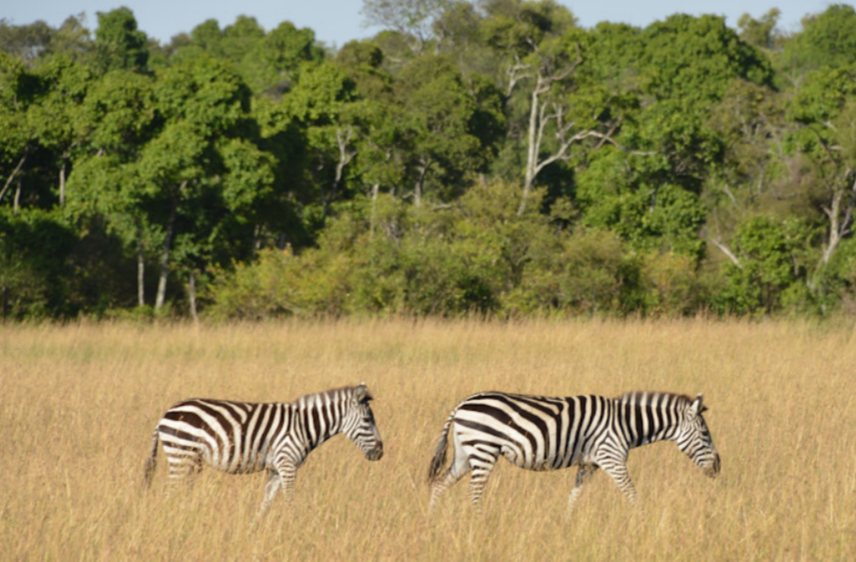
Have you ever imagined waking up to the distant roar of lions, or watching a blazing sunset melt over a herd of elephants on the savannah? A 7-day Kenya safari isn’t just another vacation, it’s your chance to experience the wild heart of Africa, from the sweeping plains of Maasai Mara to the flamingo-filled shores of Lake Nakuru and the dramatic landscapes of Tsavo East. But planning a trip like this can feel overwhelming: Which parks should you visit? When’s the best time to go? And what’s actually included in a typical camping safari? This guide breaks everything down, day by day, so you know exactly what to expect and how to get the most out of your adventure. Stick around to discover practical tips, expert insights, and inspiration to help turn your dream Kenya safari into an unforgettable reality.
Map Out Your 7-Day Kenya Safari Adventure
Planning a 7-day Kenya safari itinerary is your gateway into Africa’s most celebrated landscapes and wildlife spectacles. This camping safari circuit is designed to maximize unforgettable wildlife encounters, covering iconic parks: Tsavo East, Tsavo West, Amboseli, Lake Nakuru, and the world-famous Maasai Mara.
Your journey begins in Nairobi, Kenya’s vibrant capital, the logical hub for launching lodge safaris and camping tours. From there, the itinerary leads southeast to the vast wilderness of Tsavo East, a haven for elephants, lions, and red-dusted savannah landscapes, as well as countless wildlife documentaries.
Continuing into Tsavo West, you’ll admire dramatic volcanic terrain and the clear pools of Mzima Springs, often visited by hippos and crocodiles. Next, travel to Amboseli National Park, known for its breathtaking landscapes and classic wildlife sightings set against the snow-capped backdrop of Mount Kilimanjaro.
The journey north brings you to Lake Nakuru National Park, celebrated for its flocks of flamingos painting the lakeshore pink and a robust rhino sanctuary supporting thriving populations of both black and white rhino. Finally, you’ll explore the Maasai Mara National Reserve, the epicenter of safari holidays in Kenya and the stage for the Great Migration, where millions of wildebeest and zebra traverse endless savannah grasslands.
Organizing this route ensures the best possible game viewing opportunities, giving you the chance to spot the Big Five, witness scenic highland landscapes, and immerse yourself in unique ecosystems. The progression from park to park not only minimizes backtracking, but also offers varied safari experiences and maximizes your time in the African bush.
Typical camping safari packages include transport in a private safari vehicle, full-board camping arrangements, park entry fees, expert safari guides, and all meals during your trip. Extras such as cultural visits to a traditional Maasai manyatta or optional hot air balloon safaris can be included based on your interest and availability.
Explore a Day-by-Day Kenya Safari Itinerary
A carefully crafted safari itinerary ensures you get the best out of every destination across seven days in Kenya. Here is a sample breakdown of activities and wildlife highlights for each day, providing a seamless travel flow and immersive safari experiences:
Day 1: Nairobi to Tsavo East
Early departure from Nairobi via safari minibus or 4×4 vehicle. Afternoon game drive in Tsavo East, famous for its “red elephants” and chance encounters with cape buffalo and big cats. Settle into your campsite; dinner beneath the acacia woodland canopy.
Day 2: Tsavo East to Tsavo West
Morning exploration in Tsavo East, then cross to Tsavo West with a scenic drive across lava flows and hills. Afternoon visit to Mzima Springs for hippo and crocodile viewing. Camp near the lush forests and listen for nocturnal animal calls.
Day 3: Tsavo West to Amboseli National Park
Drive past the Shaitani Lava Flows en route to Amboseli. Afternoon game drive for unforgettable wildlife sightings: herds of elephants, abundant birdlife, and views of majestic Kilimanjaro. Evening campsite with traditional lodge meals.
Day 4: Full Day in Amboseli
Sunrise wildlife viewing for the best light on elephants and big cats. Leisurely picnic lunch in the savanna scenery, optional nature walk or Maasai village visit. Overnight at your established camp.
Day 5: Amboseli to Lake Nakuru National Park
Transfer through the spectacular wilderness of the Rift Valley, spotting highland and native forests along the way. Afternoon game drive in Lake Nakuru Park: flamingos, rhinos, and occasional leopard sightings. Overnight camping by the scenic lake region.
Day 6: Lake Nakuru to Maasai Mara National Reserve
Early drive to the beautiful Mara Reserve, arriving for a sunset game drive in the famed Masai Mara ecosystem. Look out for large pride of lions, elephants, and the start of the wildebeest migration (seasonal). Traditional meals and campfire stories at your camp.
Day 7: Full Day in Maasai Mara
Early morning balloon safari (optional, pre-booked for extra cost) for epic views of the migration and wildlife densities. Spend the day with experienced safari guides tracking cheetah, giraffe, and resident wildlife across endless savannah grasslands. Late afternoon transfer back to Nairobi, marking the end of your safari expedition.
Daily campsites offer comfortable, basic camping accommodation or optional upgrades to safari lodges for a touch of luxury safari. Fresh, hearty lodge meals are provided, and packaged excursions, like visits to a maasai village or private nature walks, can be booked in advance for a richer cultural and wildlife experience.
Choose the Best Safari Locations in Kenya
Kenya’s array of national parks and reserves creates an unforgettable tapestry of safari experiences, each offering its own distinct flavor for wildlife lovers, photographers, and adventurers.
Start your journey at the vast, red-dusted landscapes of Tsavo East, famous for its herds of red elephants, ancient baobab trees, and the palm-lined Galana River. This park’s untouched wilderness is ideal for spotting lions, hippos, and prolific birdlife, especially near Aruba Dam.
Tsavo West enchants visitors with its dramatic lava fields and the crystal-clear waters of Mzima Springs, where you can glimpse hippos underwater from a submerged viewing chamber. Photographers love the park’s rugged scenery and the opportunity to capture rare species like the fringe-eared oryx and leopard against volcanic backdrops.
Amboseli National Park is synonymous with breathtaking views of majestic Kilimanjaro. Here, iconic herds of elephants move across open savannah, making for extraordinary wildlife photography. Cultural enthusiasts can visit Maasai villages for insight into traditional Maasai life, adding depth to the safari adventure.
Lake Nakuru National Park is a haven for birdwatchers, with thousands of flamingos painting the alkaline lake shores pink during peak season. It’s also a top spot to see endangered white and black rhinos, Rothschild’s giraffes, and tree-climbing lions amid acacia woodlands and picturesque lake vistas.
The Maasai Mara National Reserve is the crown jewel for wildlife watching, especially during the Great Migration, when millions of wildebeest and zebras thunder across the plains, all closely followed by predators. Its wide open savanna is perfect for spotting Africa’s “Big Five,” and a sunrise balloon safari here provides a unique aerial view of these breathtaking landscapes.
No Kenya safari itinerary is complete without opportunities for cultural encounters, especially in Amboseli and the Maasai Mara, where visits to Maasai villages offer a rich understanding of traditions and community life. Whether your passion is for safari photography, birding, or immersive cultural experiences, choosing the right mix of parks ensures that each day in Kenya brings a new adventure.
Time Your Safari for Peak Wildlife Viewing
Choosing the best time for your Kenya safari can make all the difference between good wildlife sightings and truly exceptional ones. Kenya’s national parks provide incredible year-round game viewing, but certain seasons bring unique spectacles and advantages.
For those eager to witness the spectacular Great Migration in the Maasai Mara, plan your trip between July and October, when herds cross from Tanzania’s Serengeti into the Mara’s endless savannah grasslands. These dry months are prime for spotting predators in action and watching dramatic river crossings, a highlight for many safari enthusiasts.
December through March offers lush green landscapes after the short rains and excellent wildlife concentrations around waterholes in parks like Tsavo East, Amboseli, and Lake Nakuru. Birdwatchers flock to Lake Nakuru at this time, drawn by migratory species and clouds of flamingos.
If you prefer fewer crowds and don’t mind occasional afternoon showers, consider visiting during the shoulder seasons, November or late March to early June. You’ll enjoy more intimate game drives, reduced safari rates, and landscapes awash in wildflowers and fresh growth.
Keep in mind, wet season roads may become challenging, particularly for drive safaris in remote areas. A 4×4 safari vehicle is highly recommended when visiting parks like Tsavo during these periods.
Weather and climate also affect animal movements and your comfort. The long dry season (June to October) features cooler mornings and evenings, while the rainy seasons (April–May and November) bring warmer, humid conditions and vibrant green scenery.
Safari costs and availability change with the seasons. For instance, lodge and camp prices rise during the migration and winter holidays, and booking well in advance is necessary for peak periods. Travelers looking for value may find excellent deals in the greener months, though some camps close in heavy rains.
If you’re unsure about the best time to align your travel schedule with seasonal highlights, don’t hesitate to contact a safari expert for tailored advice and up-to-date information on recent wildlife sightings and climatic conditions.
Understand Safari Costs and What’s Included
Budgeting for a 7-day Kenya safari involves more than just tallying up a price tag, you need a clear view of the actual safari costs and what each package gives you. Most reputable safari operators present their rates per person, with costs decreasing for larger groups due to shared resources like vehicles and guides.
For example, a typical group camping safari might cost around $1,200 per person based on four people sharing. If you opt for a private tour or travel as a couple, that price can rise to $1,600–$1,800 per person, reflecting more exclusive use of guides and vehicles.
Inclusions generally cover:
- Transport throughout your safari (either in a 4×4 safari vehicle or safari minibus)
- All park entry fees for iconic spots like Maasai Mara, Amboseli, and Lake Nakuru National Park
- Full-time services of a professional safari guide
- All camping equipment (such as tents, mattresses, and bedding)
- All meals as indicated in your itinerary, breakfast, lunch, dinner, and water
- Accommodation at designated campsites
- Game drives and wildlife viewing activities in each national park
However, you should pay close attention to exclusions, which commonly include:
- International airfare to and from Kenya
- Visa fees, which vary depending on your nationality
- Personal travel insurance (strongly recommended)
- Tips for guides and camp staff
- Soft and alcoholic drinks outside standard meal offerings
- Any optional excursions such as hot air balloon safaris or extended cultural visits
Pro travelers often pack snacks, refillable water bottles, and personal essentials to keep incidental expenses to a minimum. Always confirm what’s included before booking, so you avoid surprises like unexpected park permits or hidden service charges.
Prepare for Your Safari: Essential Travel Tips
Packing right and prepping well can make or break your Kenya camping safari, it’s about comfort, safety, and respecting both wildlife and local traditions.
For clothing, pick lightweight, neutral-toned outfits that help you blend into the savannah scenery and keep cool under a tropical climate. Key must-haves include long-sleeved shirts, zip-off trousers, comfortable closed shoes or hiking boots, a broad-brimmed safari hat, and a light rain jacket for sudden showers. Don’t forget UV-protection sunglasses, sunscreen, and a reusable water bottle.
Essential gear for a memorable safari itinerary includes:
- Binoculars for wildlife viewing across vast savannah grasslands
- A flashlight or headlamp for campsite navigation at night
- Camera with spare batteries and memory cards for capturing breathtaking landscapes and wildlife spectacles
- Small backpack for game drives and bush walks
- Personal first-aid kit
Carry copies of your passport, travel insurance policy, and any required visas or permits. It’s smart to pre-load electronic copies of your documents online, just in case.
Before travel, check for up-to-date health and vaccination requirements; yellow fever is usually mandatory, and malaria prophylaxis is strongly advised for visitors to major destinations like Tsavo East and the Maasai Mara National Reserve. Bring any personal medication and basic health supplies, as pharmacies can be sparse near the African bush.
Expect basic but adequate camping facilities, think comfortable tents, communal bathrooms, and shared dining tents. Meals typically feature a mix of hot breakfasts, picnic lunches on game drive days, and hearty dinners with local flavors like nyama choma (grilled meat), ugali, and fresh fruits.
Payment for your day Kenya safari may require partial deposit upfront, with final balances settled on arrival by cash or card, always confirm secure payment methods with your tour operator.
While exploring, observe wildlife viewing safety: never exit your safari vehicle in non-designated areas, maintain a respectful distance from animals, and follow your safari guide’s instructions at all times. Respect local culture by dressing modestly in villages, asking permission before photographing people, and greeting with a friendly “jambo” or “habari.” These simple steps will not only keep you safe but also enrich your unforgettable safari experiences in Kenya.
Navigate Logistics and Booking Your Safari
When planning your day Kenya safari itinerary or a longer safari adventure, getting the logistics right ensures a seamless experience from start to finish. Most travellers begin their trips from Nairobi or Mombasa, two bustling cities offering international connections and easy access to the country’s major national parks, like the Maasai Mara and Amboseli.
For transport, you’ll typically choose between rugged 4×4 safari vehicles and classic safari minibuses. A 4×4 is preferred for rougher terrain and offers superior wildlife viewing, especially during the wet season when some park roads can be muddy or impassable. Minibuses are suitable for group safaris and provide an affordable option for budget travellers.
When it comes to accommodations, Kenya’s camping safaris offer a range of options, from basic camping sites to luxury safari lodges with hot showers, flush toilets, and 24-hour security. Many camps are set within scenic landscapes, allowing you to listen to wildlife at night and wake up surrounded by Africa’s spectacular wilderness.
Booking your safari is simple when you follow a step-by-step approach:
- Submit an inquiry via the contact form or directly through the operator’s site.
- Discuss your preferred safari itinerary, travel dates, and group size with the safari specialist.
- Receive a detailed quote outlining safari costs, inclusions, and exclusions.
- Pay a deposit to confirm your safari booking, with final payment typically due before arrival.
- Receive your pre-departure pack, including essential travel information, packing lists, and emergency contacts.
Before you arrive in Kenya, expect to receive updates about your trip, advice on airport transfers, and details about your meeting point, usually a hotel or pre-arranged spot in Nairobi city. After your safari ends, operators will arrange transfers back to Nairobi or Mombasa, or onward to other destinations, ensuring a seamless travel experience.
Discover the Kenya Safari Experience Through Real Travelers
Hearing firsthand safari stories can elevate expectations and provide insights you won’t find in guidebooks. Many travelers return from their kenya safari with lasting memories and enthusiastic reviews.
Here are a few authentic guest comments from previous safari experiences:
- “Spotting a pride of lions at dawn on the Maasai Mara plains was a dream come true, our guide knew exactly where to look for great wildlife sightings.”
- “Camping under the stars and listening to elephants at a nearby waterhole in Amboseli was both thrilling and humbling.”
- “The team handled every detail, from airport pickup in Nairobi to our last sundowner in Lake Nakuru, making our days safari both safe and unforgettable.”
For a visual taste of what a day Kenya safari or a week-long holiday really looks like, check out our traveler gallery (alt text: “Guests enjoy wildlife viewing from a safari vehicle in the Maasai Mara; close-up of giraffes on the savanna; sunset over Amboseli with Mount Kilimanjaro in the background”). Maps and photo highlights capture the breathtaking landscapes, abundant wildlife, and vibrant moments that define a true african safari.
Some guests share stories of special encounters, a family of rhinos near Lake Nakuru park, a hot air balloon safari over endless savannah grasslands, or a cultural visit with traditional Maasai warriors. Others recall laughter around the campfire, exchanging tales beneath acacia woodland trees as the African bush comes alive at night.
Your safari journey adds to the mosaic of incredible experiences in Kenya’s tourism industry. If you want to share your own story, have questions about recent wildlife sightings, or wish to book your next actual safari, don’t hesitate to contact us. Your adventure, and your perspective, helps inspire fellow wildlife lovers dreaming of their own unforgettable kenya safari.
FAQs
1. What is the best time of year for a 7-day Kenya safari?
The best time for a Kenya safari is generally during the dry season, from June to October, when wildlife gathers around water sources and the famous Great Migration occurs in the Maasai Mara. If you want fewer crowds and lower prices, consider shoulder seasons like January to March. Avoid the long rains (April-May), as some roads become tricky and wildlife disperses.
2. What should I pack for a camping safari in Kenya?
Light, breathable clothing in neutral colors is ideal, think long sleeves for sun and bug protection. Bring a warm layer for chilly nights, sturdy shoes, a hat, sunscreen, and a reusable water bottle. Don’t forget essentials like a camera, binoculars, insect repellent, personal medications, and necessary documents (passport, visa, insurance details). Many camps provide basic bedding, but a compact headlamp and power bank can be handy.
3. How are meals and accommodations arranged during the safari?
Most 7-day camping safaris include full-board meals, typically prepared fresh at the campsite or picnic style in the parks. Expect a mix of local and international dishes, with vegetarian options usually available if requested in advance. Camping accommodations range from basic dome tents to more comfortable semi-permanent camps, all with essential amenities and security features.
4. Are safaris suitable for families or solo travelers?
Absolutely! Kenya safaris can be tailored for families (with kid-friendly activities and pacing) or solo travelers (with shared group options to reduce costs and increase camaraderie). Just let your safari operator know your preferences, they’re experienced at matching travelers to the right group or itinerary.
5. How do I book a 7-day Kenya safari and what’s involved?
Start by researching reputable safari companies and inquiring about availability for your preferred dates. You’ll typically pay a deposit to confirm your booking, with the remainder due before departure. Be sure to review what’s included, like park fees, transport, meals, and guiding, so there aren’t surprises later.

