
December’s Dual Personality
December in the Masai Mara National Reserve is an interesting juxtaposition of features, coming as it does in the wake of the short rains. The landscapes mirror this dual personality , with verdant greens from the recent rains, punctuated by dry patches. This combination provides a visually arresting setting, as the lushness of new growth pops against the understated cues of the area’s semi-arid disposition.
It opens with less crowds and cheaper prices, particularly the first half of the month, December 1-20. This quieter time is perfect for those wanting a slower and more economical safari. As December marches on, the landscape evolves into the Green Season, which is a favorable time to visit. This lush vegetation sustains large herds of grazing herbivores such as zebras, wildebeests, and antelopes, while predators, attracted by the ample supply of prey, are just as busy. To top it all off, it’s baby season for most of the animals, giving guests the opportunity to see them experience their first steps in nature.
For birdwatchers, December is a high point because the migratory birds arrive from Europe and Asia, marking the peak of the birdwatching season. Eurasian rollers and steppe eagles mix with the Mara’s resident bird species, making it a great time for birding and photography, both local and migratory.
December’s weather is mild and agreeable, with warm daytime temperatures that are not stifling, and refreshingly cool evenings. The skies are usually clear, offering 8-9 hours of sunlight per day, while light, short showers in the late afternoon or evening are most reviving. These rains are far more moderate than the torrential rains of the long rainy season of April and May. The second half of December, especially around Christmas and New Year, does see more visitors, so booking early is advisable!
The Safari Experience
December Safari Experience in Masai Mara In terms of wildlife and seasonal allure, no other month compares to December in the Masai Mara National Reserve. This season offers a more tranquil, personal experience with the wild. With its vast open nature and flat land, the Masai Mara allows for unimpeded visibility, which means that you can see a lot of different types of animals. From elephants and zebra to lions and cheetahs, the resident species are active throughout the year. December brings newborn animals, a rare peek into the beginning of their lives making it a great time of year for wildlife lovers. Birding really takes off during this time, with the migratory birds supplementing the already abundant birdlife.
The reduced tourist traffic in December all contributes to the magic of the safari experience. With lesser vehicles in the reserve, you can indulge in seamless game drives and activities such as night safaris or guided walks. This quieter atmosphere lets you connect more deeply with your surroundings , be it watching a cheetah run across the plains or spotting a serval cat, which is seen more often in this season. The excellent wildlife viewing opportunities during this period enhance the overall adventure of visiting the Masai Mara.
The holiday season is the icing on the cake, especially in the high-end Masai Mara lodges sprinkled across the reserve. A lot of resorts get really into the holiday spirit with special meals, cultural performances, and other seasonal touches to add to your experience. This combination of wild and festive causes December to be a favored time to visit for travelers looking for a unique holiday experience in Kenya.
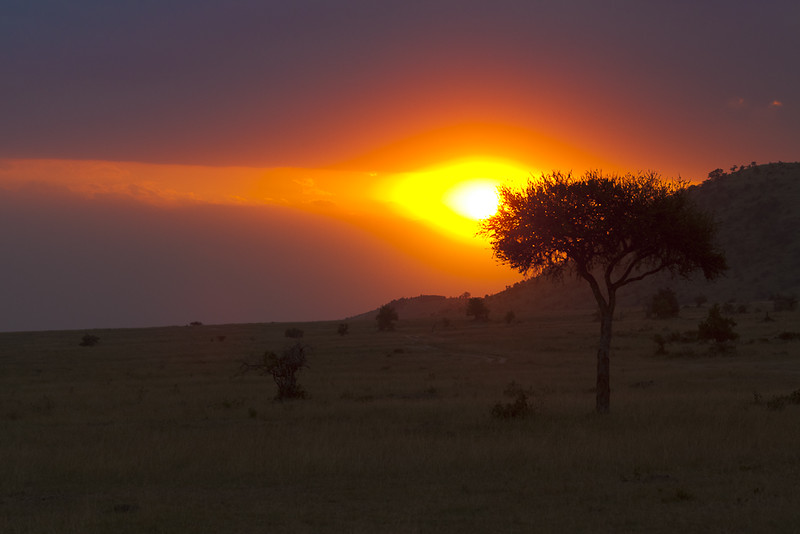
Amateur and pro photographers alike will rejoice in December. The ‘green season’ gives us the occasional thunderstorm and the dramatic skies and lush vegetation that add depth and vibrancy to photos. With scenic backdrops like the iconic acacia trees and the Esoit Escarpment, this is the perfect time to capture the magic of the Masai Mara during the migration season.
Wildlife Spectacles
December in the Masai Mara National Reserve is a wildlife spectacle. The reserve’s expansive plains are home to resident species such as lions, elephants, giraffes, and zebras. Majestic elephant herds, many with calves in tow, paint an endearing picture of the next generation of these gentle giants. With such an overwhelming presence of wildlife around every bend, you’re bound to see something, making it an excellent month to go on safari during the migration season.
It’s the birthing season for many herbivores, such as wildebeest calves and antelope lambs. The fresh grass from the rains offers rich nutrition, setting the stage for a ‘baby boom’ among grazing animals. This flood of helpless new arrivals attracts predators. Lions, leopards, and cheetahs become more active, with the open plains providing abundant sightings of these predators on the hunt. These predator-prey encounters are mesmerizing and brutal, insightful to the precarious equilibrium within this Mara ecosystem.
For birders, December is the jewel in the crown. As the green season arrives, it welcomes a stream of migratory species on top of an already diverse avian population. Bright flocks of birds, from European storks to flamboyant bee-eaters, pepper the skies and savannah, one of the top times of the year for birding in the Mara National Reserve. The display of thousands of birds, together with this season’s calls and songs, is a feast for visitors’ ears and eyes.
Though the Masai Mara is world-famous for the Great Migration and nail-biting river crossings, December brings a different pulse to life. While the iconic crossings are over, the Mara still burns bright. Watching cheetah families, for example, puts their plight into perspective, with cubs experiencing only a 5% survival rate at the hands of hyenas. Yet the toughness of these cats is a tribute to the wildness of the reserve.
Beyond The Vehicle
Although game drives are a quintessential way to experience the Masai Mara National Reserve, venturing beyond the vehicle enriches your visit. Covering a stunning 370,000 acres, just a bit larger than greater Los Angeles, this incredible wildlife destination presents myriad ways to engage with its ecosystem and culture.
Walking safaris are a personal method of discovering the Mara’s terrain. Led by knowledgeable rangers, these walks target the smaller wildlife often missed on drives – bugs, birds, and special plants. The lumpy, crater-pocked landscape and iconic acacia trees in the southeast expose a level of detail of the environment inaccessible to vehicles. Tracking animals or hearing about native medicinal plants introduces a new dimension to this immense wilderness, especially during the migration season when the great wildebeest migration is in full swing.
Cultural stops in Maasai villages expose visitors to the customs of the area’s native inhabitants. The Maasai, recognizable in their signature red garments, decorative beads and dances, play a significant role in stewarding the private conservancies that surround the unfenced reserve. Apart from visiting, you get to hear about their semi-nomadic way of life, cattle herding and their bond with the land. Such interactions foster a greater appreciation for how local communities coexist with the area’s abundant wildlife, including elephants, giraffes, and the famed predators: lions, leopards, and cheetahs.
Hot air balloon safaris offer a special opportunity to see the Mara-Serengeti ecosystem from above. Early morning flights provide majestic views of the Esoit Escarpment to the west and the plains sprinkled with zebra and buffalo herds below. The unforgettable sight of the dying embers of the sunrise over the rolling grasslands serves as a peaceful counterpoint to the exhilaration of the ground-level safari, especially during the dry season when the weather is typically warm and clear.
For the adventurous, fly camping provides a rugged but close-to-nature experience. Sleeping beneath the African skies, embraced by the calls of the night, offers an immersion that no lodge can replicate. The campsites are in remote areas, away from everything, allowing you to truly connect with the Masai Mara region’s wild side.
A Guide’s Perspective
The guides in the Masai Mara National Reserve know the reserve’s special rhythms, which makes all the difference for a December safari. This corresponds to the short rains season, transforming the landscape into a lush paradise. Although the rains enliven the ecosystem, they create difficulties. Guides must deftly handle muddy trails and erratic weather to provide a seamless safari experience. Their terrain reading and route adjusting skills are essential in giving access to important wildlife areas, especially during the migration season.
Finding wildlife in December is a bit of an expert trick because the greenery provides animals with more hiding places. Guides use their knowledge of animal behavior and tracking skills to take visitors to the Big 5 and beyond. For example, they might discover new prints, detect faint grass movements or overhear long-distance calls to locate a predator’s position. Open plains this time of year make it easier to see giraffes and zebras and dense thickets often conceal elusive leopards. Guides monitor water, where elephant and buffalo herds congregate.
December marks the calving season for many herbivores, including the wildebeests and antelopes. Guides stress that knowing these animals’ habits during this time is key to maximizing sightings. Newborns draw in predators, providing thrilling opportunities to observe predator-prey showdowns. By articulating these natural cycles, guides assist visitors in understanding the inter connectivity of the ecosystem and the great wildebeest migration.
Ultimately, aside from wildlife tracking, it is the guides that elevate a safari from good to great, with their stories and intimate knowledge of the Masai Mara. They recount tales of the Great Migration, a stunning event where millions of animals traverse the Mara River, and explain why this moment is so challenging to time. Their perspective on local culture, geography, and conservation adds deeper meaning for visitors, ensuring a memorable adventure in this remarkable region.
Practical Planning
Going to the Masai Mara in December means getting the best of both worlds, green and great game viewing. You do need to prepare to get the most out of the experience.
Pack smart because of the weather differences. December is usually short rains, so pack a light rain jacket or poncho. Morning and evening game drives are cool, dipping to temperatures as low as 15°C (59°F), so be sure to pack a fleece or light jacket. Snuggie, blazers in safari-hued neutrals and don’t forget the power bank and UK-style plug to juice up the gear.
With December’s holiday season in mind, early booking is crucial to find accommodations that meet your tastes. The reserve’s options vary from upscale lodges to tented camps, many of which include customized safaris. Busy lodges fill up, months in advance, confirming reservations well in advance can save stress later.
It’s easy to get to the Masai Mara from Nairobi. Opening Wilson Airport and enabling flights to nearby airstrips – Ol Kiombo or Keekorok – makes prime hunting time less than an hour. Flights are between $200-$450 round trip, varying by season and airline. Or a road trip of around 225 km (140 miles) is a five to six hour drive – but roads are bumpy.
Selecting the proper safari package guarantees a holistic experience. Most packages include game drives to find the Big Five, birding for the area’s many species and even cultural experiences such as a visit to a Masai village. Some lodges host bush walks, local beadwork workshops and other activities that give you an insight into Maasai traditions. Take into account your preferences and what the seasons have to offer – December’s lush green scenery and less visitors provide a peaceful, more personal safari.

