
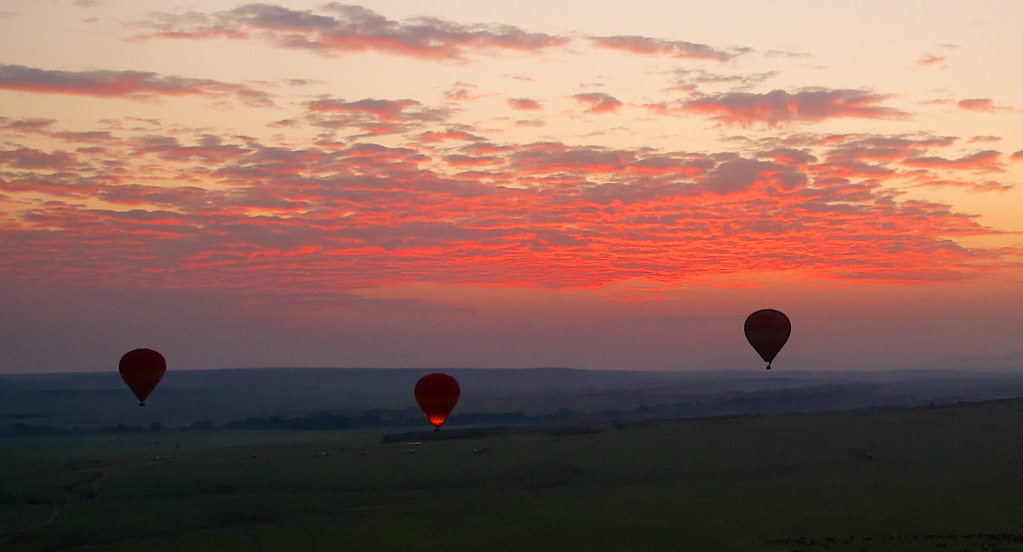
The Masai Mara National Reserve in southwestern Kenya is one of Africa’s most celebrated safari destinations, famed for its breathtaking landscapes, impressive abundance of wildlife, and the awe-inspiring spectacle of the Great Migration. Whether you are an avid wildlife photographer, an adventure enthusiast, or a traveler looking for an authentic African experience, knowing where to go within the vast expanse of the Masai Mara is essential for planning a rewarding visit. This guide covers the best regions, noteworthy attractions, prime game-viewing areas, and unique cultural opportunities, enabling you to make the most of your time in this world-renowned reserve.
Geography and Layout of Masai Mara
The Masai Mara is a 1,510 square kilometer reserve situated in Narok County, adjoining Tanzania’s Serengeti National Park to the south. The terrain alternates between rolling grasslands, acacia-dotted savannah, scrubland, and riverine forests, providing a range of habitats for a remarkable diversity of animal life. The Mara River cuts through the reserve from north to south, forming a vital water source that supports immense concentrations of wildlife and serves as the stage for dramatic migration crossings each year.
To enhance your understanding, it’s crucial to recognize that the National Reserve is surrounded by numerous community-run conservancies, which offer exclusive safari experiences and play a vital role in wildlife conservation and local benefit-sharing.
Main Regions and Their Distinct Appeal
The Masai Mara, a top safari destination in Kenya, is typically divided into several key regions, each offering unique experiences and highlights that can enhance your Masai Mara safari itinerary.
Central Masai Mara
Often regarded as the heart of the maasai mara national reserve, the central region is characterized by expansive savannahs teeming with resident wildlife year-round. This area is easily accessible and offers superb opportunities to spot lions, elephants, buffalo, cheetahs, and antelopes during your masai mara safari. Because many lodges and camps are situated here, it is a practical choice for first-time visitors, though it can become busy, especially during peak migration months.
Mara Triangle
The Mara Triangle, a key area within the masai mara national reserve, encompasses the western corridor of the reserve, bordered by the Mara River and the Oloololo Escarpment. This region is distinct for its rich grasslands, consistently high wildlife density, and limited number of safari vehicles, as access is restricted. The Triangle is particularly famous for its pivotal role during the Great Migration, when wildebeest and zebras risk dramatic river crossings fraught with lurking crocodiles. Visitors seeking a quieter, more exclusive masai mara safari will appreciate the well-managed lodges and uncrowded game drives here.
Eastern and Northern Mara
These less-traveled areas, including the Musiara and Sekenani Sectors in the east and north, are part of the Masai Mara National Reserve, known for rolling plains and seasonal streams. Wildlife is plentiful, with resident prides of lions and large herds of elephants. The Musiara Swamp is notable for prolific birdlife and good predator sightings, while the Sekenani Gate area serves as a popular entry point, anchored by a handful of accommodation options ideal for a Masai Mara safari. These regions offer a more tranquil game-viewing experience, away from the busiest zones.
The Private Conservancies
Surrounding the core Masai Mara reserve are multiple private and community conservancies, which have become increasingly popular among safari-goers seeking exclusivity, responsible tourism practices, and immersive encounters with both wildlife and local Maasai culture. The conservancies operate through partnerships between tourism operators and Maasai landowners, ensuring sustainable land use while benefitting communities.
Some of the most celebrated Mara conservancies include:
- Mara North Conservancy: This conservancy is renowned for high standards of wildlife management and low-impact tourism. Only a select number of vehicles are permitted at sightings, resulting in intimate game-viewing experiences that are rarely disturbed by crowds. Here, guests can enjoy walking safaris and night drives, which are not possible within the core reserve.
- Olare Motorogi Conservancy: With its rolling hills, dramatic escarpments, and seasonal rivers, Olare Motorogi offers excellent habitat for both large predators and plains game. It is highly regarded for its density of lions and big cats, as well as remarkable birdlife. Guests benefit from luxury camps and a peaceful environment, where sightings can be observed in near-solitude.
- Naboisho Conservancy: Naboisho is a leader in community-based conservation, with a diverse terrain supporting healthy populations of giraffes, elephants, and predators. Guests are able to participate in guided bush walks, night game drives, and genuine cultural exchanges with Maasai communities. The conservancy has garnered praise for its commitment to ethical tourism and wildlife welfare.
These conservancies provide exclusive use for their guests, more flexible activities (such as bush meals and night drives), and meaningful opportunities to interact with ever-present Maasai inhabitants, further enriching the experience.
Key Game-Viewing Hotspots
Excellent wildlife viewing is possible almost everywhere in the Masai Mara, especially in the renowned masai mara conservancies, where habitats, geography, and game concentrations create a perfect itinerary for safari tours.
- Mara River Crossings: The Mara River, winding through the heart of the reserve, becomes the theater for the Great Migration from July to October. During these months, thousands of wildebeest, zebras, and gazelles surge across the river while crocodiles and predators lay in wait. Viewing a crossing requires patience, luck, and expert guidance, but witnessing this spectacle is unforgettable.
- Leopard Gorge: Nestled in the Musiara sector, this secluded, rocky valley is a haven for leopards, as well as lions and cheetahs. The unique topography makes it ideal for observing big cats and their behaviors, especially as they seek shade or hunt in the cool hours of morning and evening.
- Paradise Plains: Situated near the Mara River, the open grasslands of Paradise Plains boast large populations of grazing animals and are famously home to sizeable pride of lions. The area is a favorite for dramatic predators-and-prey interactions, particularly during migration.
Cultural Experiences in the Masai Mara
A visit to the Masai Mara safari is enriched by engaging with the Maasai people, whose traditional camps and villages (Manyattas) provide unique insight into their customs, rituals, and everyday life. Some masai mara conservancies can organize authentic visits to local communities, where you can witness traditional dances, learn about Maasai beadwork, and gain an understanding of their co-existence with wildlife. These activities offer invaluable perspectives and help foster direct support for local development.
When to Go: Timing Your Visit
Selecting when to visit the Masai Mara safari is pivotal and largely depends on your interests. The Masai Mara national reserve offers excellent wildlife viewing year-round, but the dry season from July to October is most famous for the Great Migration river crossings. For birdwatchers, the period from November to April brings migratory species and lush landscapes, while off-peak months (April to early June) promise lower prices and fewer vehicles, though some lodges may close due to rain.
Practical Tips for Exploring Masai Mara
To make the most of your masai mara safari, consider these helpful points.
- Book Early in Peak Season: Accommodation inside the reserve and prime conservancies fill up months in advance during the migration, so early planning is advisable.
- Choose Guiding and Camp Carefully: Skilled guides significantly enhance your safari with their knowledge and tracking abilities. Selecting a well-reviewed camp with strong conservation credentials supports both wildlife and local communities.
- Pack Smart: Bring layered clothing, binoculars, insect repellent, sun protection, and a good camera with spare batteries to adapt to changing weather and maximize your game-viewing experience.
FAQ
1. When is the best time to visit Masai Mara for the Great Migration?
The best time to experience a Masai Mara safari tour and witness the Great Migration crossings is from July to October, when vast herds move through the reserve and dramatic river crossings occur along the Mara River.
2. Is it better to stay inside the main reserve or in a conservancy?
Staying inside the Masai Mara national reserve provides proximity to central migration routes and iconic landscapes, while Masai Mara conservancies offer exclusivity, night drives, and deeper cultural immersion with fewer vehicles at sightings.
3. Can I combine my Masai Mara visit with trips to other Kenyan destinations?
Yes, many travelers combine their Masai Mara safari with time at Amboseli National Park or the Kenyan coast, thanks to regular flights and good road connections, creating a diverse and well-rounded Kenya safari adventure.

